Private Island Hopping Yacht Charters in Panama
Private island hopping in Panama combines short transit times, dramatic island scenery, and a sense of discovery most guests remember as the core of a charter. This guide explains how to plan an island-focused yacht charter in Panama that feels effortless and premium — without wasting time or budget on common mistakes.
From my experience running charters in Panama, island-hopping is one of the most rewarding formats because small islands and secluded coves reward flexible planning and a crew who knows the local rhythms. The right yacht, tender strategy, and route will determine whether the day feels cinematic or rushed.
If you want to explore options, start with our Alquiler de yates en Panamá to see available vessels and pickup locations — then use the operational tips below to match a yacht to an island-hopping plan.
Quick Answer: How Do You Plan a Private Island-Hopping Charter?
Plan around reachable islands, right-size the yacht for your group, factor in tender time for shore landings, and build extra cruising time into the schedule. Coordinate any local permits or community visits in advance and pick a crew experienced in tight anchorages. This ensures you spend more time ashore and swimming than transiting.
At a Glance: Key Factors for Island Hopping
Yacht & tender capability
Group size & timing
Shallow-water anchoring
Local community permits
Fuel & transit windows
Safety & snorkel gear
Onshore logistics
In Panama, efficient island-hopping often comes down to choosing the right base yacht and trusting the crew to optimize tender runs and shore time.
Why Panama Works for Private Island Hopping
Panama’s coastline and offshore archipelagos let charterers combine short hops with dramatic variety: secluded beaches, coral gardens, local island communities, and protected marine areas. In most charters we operate, guests appreciate being able to anchor, tender to shore, and be back on the yacht within an hour — which makes each stop feel like a distinct micro-adventure rather than a long transit.
That said, every island group has different logistics. Pearl Islands are often closer to mainland marinas and friendly for short-day trips, while archipelagos further offshore require more cruising time and a different provisioning plan. Your route choice should reflect how many stops you want and how long you want to spend at each one.
Choosing the Right Yacht and Tender Strategy
Not all yachts are equally suited to island-hopping. From my experience, the most important capabilities are: a reliable tender that handles surf, enough fuel reserve for multiple short hops, and comfortable deck flow for quick come-and-go moments.
Smaller, nimble motor yachts with a solid tender make frequent beach landings efficient. Larger yachts offer more onboard space for parties and dining but require clearer planning for tender runs and time ashore. Consider where most of your day will be spent — on the beach or on the yacht — and choose accordingly.
Yacht features to prioritize
- Strong, sea-worthy tender with a skilled deckhand
- Low freeboard or swim platform for easy water access
- Good sun and shade balance on deck
- Snorkel and dive equipment storage
- Shallow-draft options if you plan to anchor in reefs or sandbars
Route Planning: Short Hops vs Longer Runs
There are two practical approaches to island routes: multiple short hops between close islands, or fewer longer runs that reach more remote spots. Short hops maximize shore time per stop but require a nimble tender and frequent anchoring; longer runs let you reach standout islands but concentrate your time at fewer locations.
A common mistake we see is trying to hit too many islands in a single day. The result is a checklist itinerary where guests see great places but never fully enjoy any one of them. Decide early whether your trip is about variety or depth — that decision should shape vessel choice and timing.
What to Expect on Shore: Local Rules & Respectful Visits
Many islands in Panama are inhabited by local communities or protected as part of national parks. In most cases we operate, we pre-clear any visits with local authorities or community representatives. This protects the experience and ensures guests interact respectfully with local cultures and ecosystems.
From a practical standpoint, that means planning tender schedules, asking about restricted landing zones, and keeping shoreside visits short and low-impact unless you’ve arranged a guided community visit ahead of time.
Costs & Time: How to Structure the Day
Island-hopping charters can look like they cost more than simple cruising because of extra tender use, multiple anchorages, and the potential need for park permits. But they deliver value when time is used well: longer shore stays, curated beach set-ups, and a crew that handles logistics smoothly.
In most charters we operate, clients who allocate an hour minimum per island feel the trip was worth it. If your plan leaves only twenty or thirty minutes per stop, rework the route so the number of islands matches the time available.
Safety & Environmental Considerations
Prioritize local navigation knowledge, reef-aware anchoring, and properly stored fuel and waste. For protected areas, follow the crew’s guidance on where to moor and where to avoid snorkeling to preserve coral and marine life.
Who Island Hopping Is Best For — And Who Should Choose Something Else
Lo mejor para
- Groups who want multiple distinct beach/reef experiences in one day
- Guests who value exploration and short walks ashore
- Families and active groups who enjoy snorkeling, swimming, and tender rides
- Clients wanting a mix of private time and local culture visits
Menos ideal para
- Groups that prefer a single, static anchorage for an event
- Passengers who have limited mobility and difficulty moving between tender and shore
- Those expecting ultra-luxe shore infrastructure on every island
How We Plan Island-Hopping Charters at Feeling Yachty
At Feeling Yachty we plan island routes by starting with your priorities: how many islands you want to visit, whether you want guided community stops, and how much time you want ashore. From there we choose a yacht and tender plan that minimizes transit time and maximizes shore experience. If you’d like to see yacht options, our Panama fleet listing is a good place to start.
We also coordinate crew briefings, provisioning for beach picnics or private dinners, and any necessary permits. In most charters we operate, a simple pre-charter call to align expectations avoids common on-water surprises.
Private Islands & Must-Visit Stops
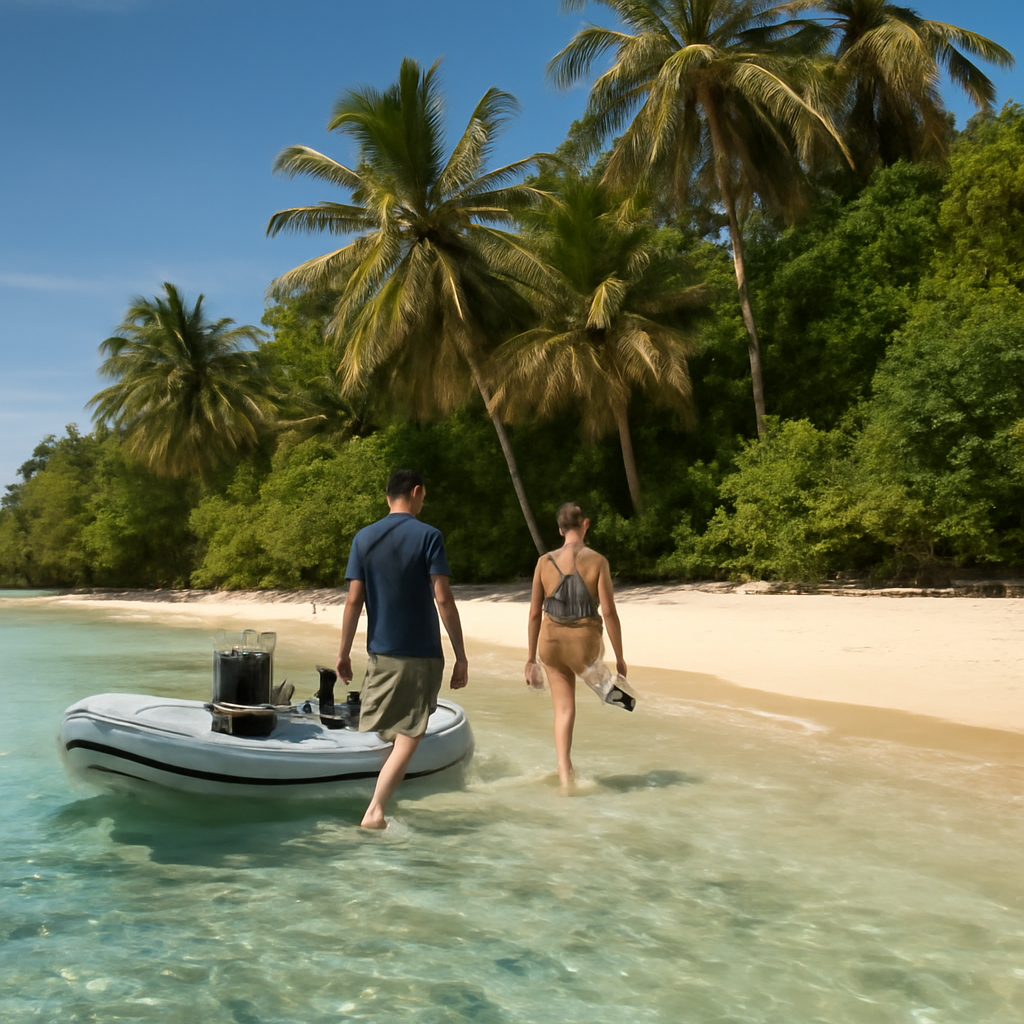
Some islands are classic swim-and-snorkel spots with shallow reefs and calm sandbars; others have small communities where you can arrange a guided cultural visit or local food experience. Choosing islands with complementary characters helps the day feel curated rather than repetitive.
Operational tip: sequence islands so that the calmest anchorages come later in the day if wind and swell tend to build in the afternoon. That gives guests a sheltered final stop for a sunset swim or cocktail service.
Sample Island-Hopping Itinerary (Day Charter)
- 08:30 — Depart marina, brief guests, and safety review
- 09:30 — First island: short beach landing and snorkel (90 minutes)
- 11:30 — Cruise to second island, picnic setup and relaxed afternoon swim (120 minutes)
- 14:30 — Optional community visit or guided nature walk
- 16:30 — Final anchorage for sunset and return to marina
That structure balances transit and experience. If you prefer more remote islands, convert one of the middle stops into a longer exploration and expect longer transit windows.
Comparing Island-Hopping Options
Short-Hop Day Charters
- Maximize variety, minimize cruising time
- Best with a nimble tender and experienced crew
- Great for first-time visitors wanting a sampler
Extended Multi-Day Hops
- Reach remote islands and protected marine parks
- Requires larger fuel planning and provisioning
- Better when you want slower, richer island immersion
Add-Ons That Make an Island Day Memorable
Simple add-ons usually deliver the highest perceived value: a private beach lunch, guided snorkeling gear and briefings, a photographer for a stop or two, or local music and food when arranged with an island community in advance. For parties and celebrations, our Fiesta en yate en Panamá capabilities include lighting and sound setups that suit shore gatherings when permitted.
Trust & Safety — Who We Work With
We pair experienced captains and local guides to make island-hopping smooth and safe. If you want to meet our crew or learn about our safety protocols, see Feeling Yachty Crew y nuestro protocolos de seguridad para yates page for operational standards we follow on every island trip.
Ready to Plan Your Panama Island-Hopping Charter?
We’ll match a yacht, tender plan, and route to your goals — whether that’s a lively group of friends, a family-focused day of snorkeling, or a multi-day island escape. Start by sharing the date, guest count, and the kind of stops you want.
How to choose islands based on weather
Wind and swell patterns affect which islands are comfortable on a given day. In planning we check local wind forecasts and sequence stops so that exposed anchorages are avoided if afternoon build is expected. When in doubt, prioritize sheltered coves for mid-to-late afternoon.
Permits and community visits — what to expect
Some islands have local regulations or community-based access rules. If you plan a cultural visit or to buy locally sourced food, we arrange introductions and permissions in advance to ensure visits are respectful and permissible.
Island-Hopping Yacht Charter FAQs — Panama
Do I need permits to visit private islands in Panama?
Sometimes. It depends on whether the island is part of a community territory or a protected area. We always check local access rules and arrange permissions if needed so guests can visit responsibly and legally.
How many islands can you visit in a day?
That depends on distance and how long you want to stay at each stop. For short-hop areas, 3–4 islands with meaningful time ashore is realistic. If islands are further apart, 1–2 spots with longer shore time may be a better choice.
What yacht types work best for beach landings?
Nimble motor yachts with sturdy tenders and lower freeboards are ideal for frequent shore landings. Larger yachts can work well too, but confirm tender capacity and the crew’s landing experience before booking.
Can you combine island-hopping with fishing or diving?
Yes — many guests combine activities. Plan the primary focus first (island time vs. fishing/diving) and confirm equipment and deck space with the operator so the day runs smoothly.
Will there be restrooms and shade on islands?
Most small islands do not have facilities. We plan beach set-ups with shade, coolers, and portable comfort options when longer shore stays are desired.
How do you handle food and catering for island stops?
We can organize beach picnics, boxed lunches, or plated service on board. For community visits, local food can be arranged with advance coordination. Let us know dietary needs during booking.
 English
  Español de Colombia