What Life Is Like on a San Blas Catamaran Charter
The San Blas islands (Guna Yala) are an ideal setting for a catamaran charter: shallow turquoise anchorages, small palm-fringed islets, calm protected channels, and a rhythm that rewards simple days aboard. This article explains how a typical San Blas catamaran charter actually feels—from morning routines and provisioning to daily routes, crew roles, and how the islands affect the onboard experience.
From my experience running charters in Panama, what guests remember most from San Blas isn’t the checklist of sights; it’s the small operational decisions that make life on a cat balanced and effortless: sensible provisioning, a captain who knows the local channels, and a boat setup that keeps shade, airflow, and easy water access front of mind.
Quick Answer: What’s Life Like on a San Blas Catamaran?
It’s slow, private, and very sea-focused. Days center on anchoring at low-key islands, swimming and snorkeling from the trampolines, short dinghy hops to beaches, and flexible meal times. A well-run catamaran charter spends most of its paid hours anchored or drifting in shallow bays—exactly what makes San Blas feel special.
At a Glance: Key Things That Shape the Experience
Crew & local pilots
Daily anchoring
Provisioning & meals
Water access & toys
Group size
Weather & currents
Local etiquette
The San Blas charter feels more like staying at a private beach cottage that moves slowly between islands than a fast coastal cruise. That changes how you pack, how you plan the day, and what the yacht needs to feel comfortable.
Why a Catamaran Works in San Blas
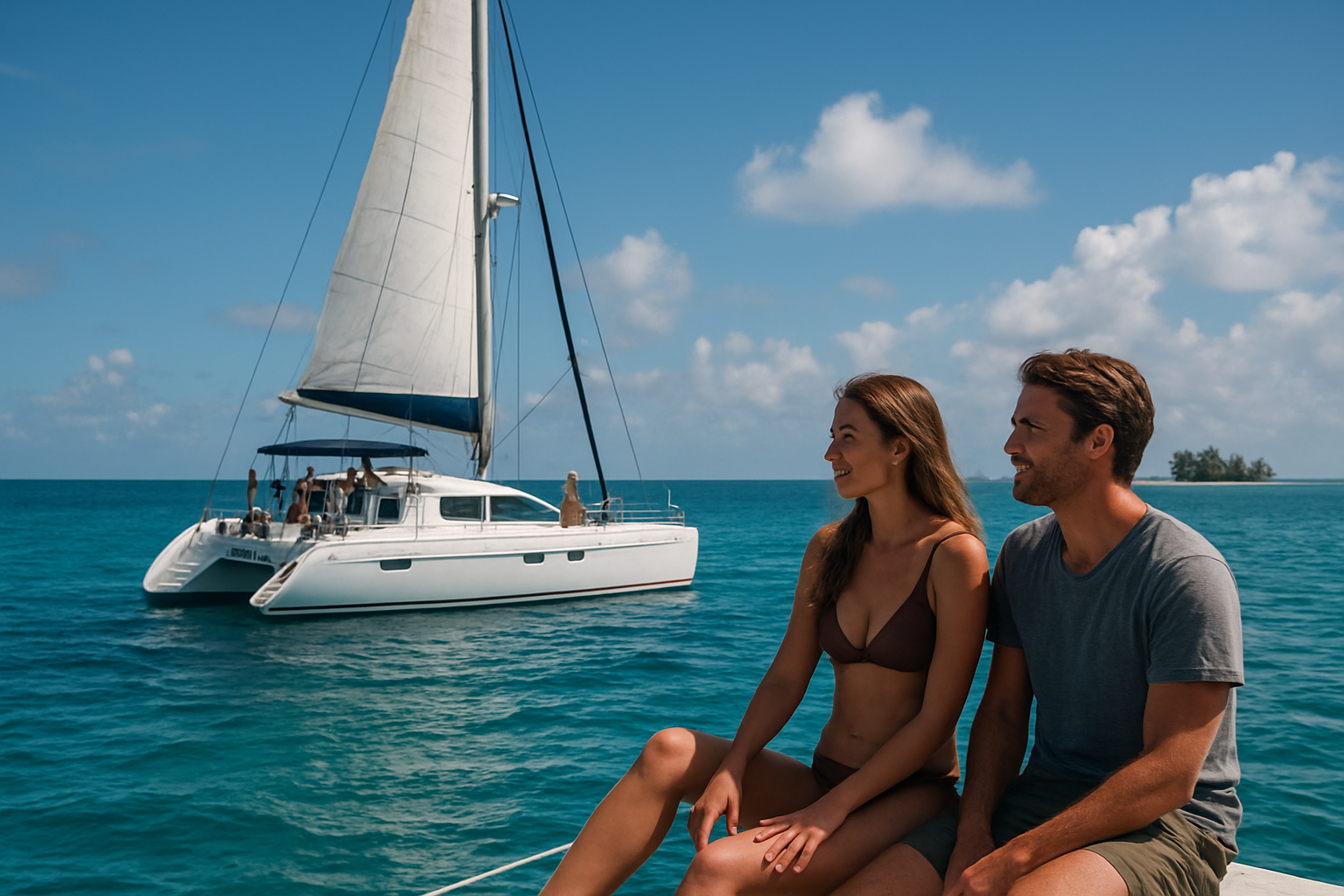
Catamarans are especially well-suited to San Blas because of their shallow draft, wide deck space, and stable platforms for swimming and socializing. In most charters we operate in Panama, guests appreciate the trampoline and low freeboard that make getting in and out of the water simple—something that really matters when many stops are sandbars and beach strips.
Operationally, catamarans also offer redundancy and space for the crew to stage provisioning, shade, and a comfortable guest flow. For small groups, a properly sized cat feels roomy; for larger groups, it keeps people spread naturally across foredeck, cockpit, and saloon.
Cabins, Layout & Daily Rhythm
Expect 2–4 private cabins on most charter cats used in San Blas, with simple but ventilated berths. Mornings usually start slow: a hot drink, an early swim, and a short dinghy excursion to a nearby island. Daytime is mostly anchored—snorkeling, paddleboards, naps in the shade, and short walks ashore.
From my experience, the ideal daily rhythm in San Blas is arrival at a protected bay by late morning, a couple of long snorkeling sessions, a beach visit at low tide, and an early evening cocktail while the crew prepares dinner. That rhythm leverages the calm midday conditions and gives time to enjoy each anchorage without frantic transit.
Safety, Local Guides, and Navigation
Navigation in San Blas blends charts with local pilot knowledge. Channels can change, and many islets are unmarked, so experienced captains or local pilots matter. We always emphasize safety protocols for anchoring and dinghy transfers; see our crew and safety pages for how we staff and run charters safely and legally (yacht safety protocols, Feeling Yachty crew).
A common mistake we see is relying solely on GPS tracks without local insight—that can mean longer transits or missed anchorages. In San Blas, a captain who knows current reef passes and tidal windows makes the difference between a smooth day and a complicated one.
Food, provisioning, and onboard service
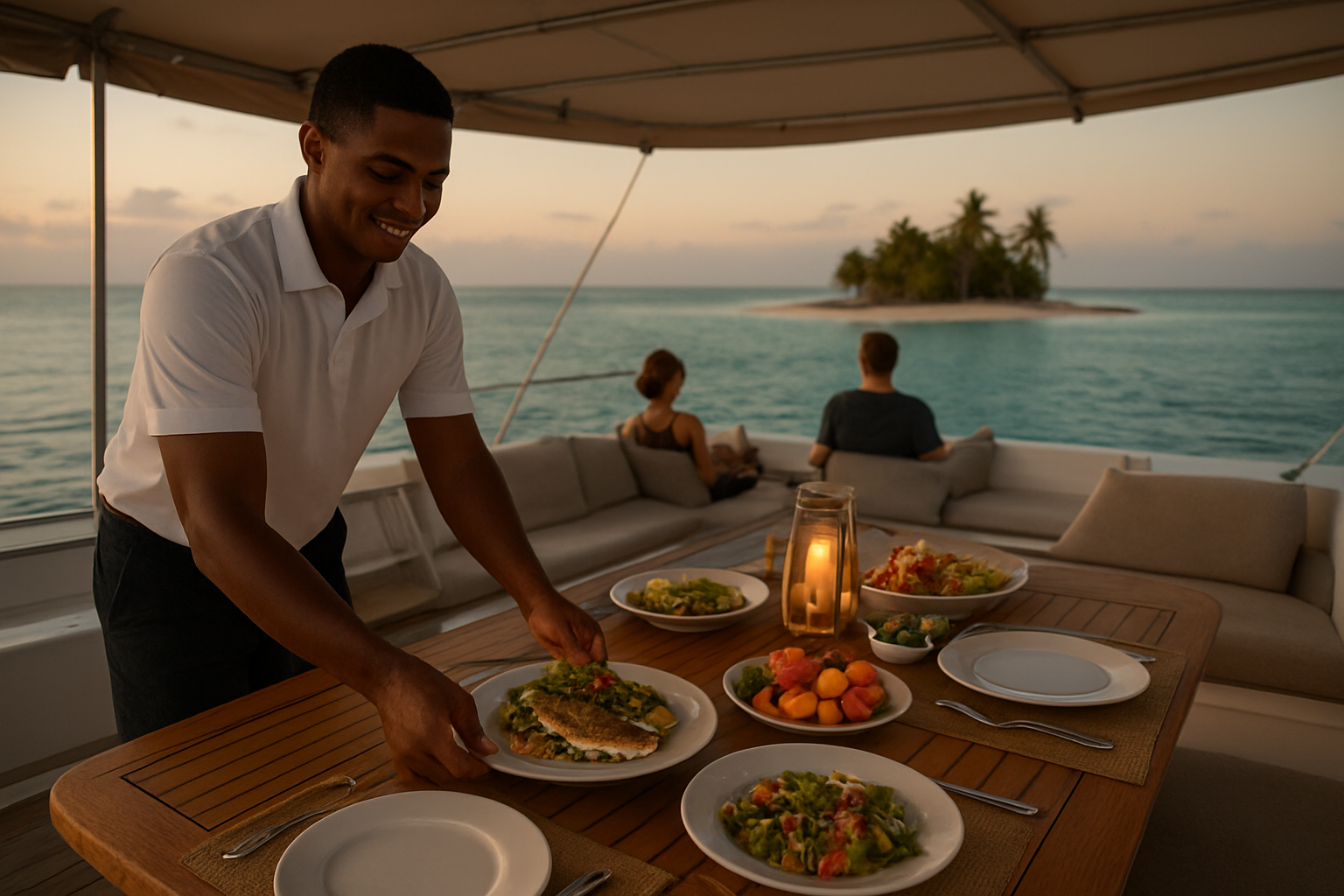
One of the pleasures of a San Blas cat charter is the simple, fresh provisioning. Many crews prefer straightforward menus: fresh fish, grilled vegetables, rice, salads, and local fruit. From my experience running charters here, guests value reliable, well-timed meals more than elaborate plated service—especially when time ashore or snorkeling is the priority.
Provisioning logistics are different than mainland departures. Boats often stock up near Panama City, then top off with local produce at smaller islands when possible. If you plan a party or have dietary needs, communicate them early so the crew can source what’s required—this is especially relevant for private events like a San Blas celebration.
What guests actually do all day
Expect a handful of anchor stops, long swims, and short beach walks. Typical activities include snorkeling protected reefs, paddleboarding, sunbathing on the trampoline, and visiting small Guna villages when appropriate. For many guests, the day’s highlight is a relaxed, unhurried evening anchored under the stars—exactly the kind of experience that makes San Blas stand out.
Water toys, gear, and realistic expectations
Standard toys for a San Blas cat usually include a dinghy with an outboard, snorkel sets, paddleboards, and occasionally a tender-based guided snorkel. Larger water toys like jet skis are rare here because of the shallow reefs and protected nature of many anchorages. If specific equipment matters to your group, plan it with the operator beforehand.
Local culture and environmental etiquette
Guna Yala communities are sovereign territories with their own rules. Respect for local customs, rubbish removal, and careful anchoring practices are part of being a responsible guest. In most charters we operate, captains brief guests on local etiquette before visiting a community to ensure interactions are respectful and enjoyable for everyone.
Catamaran vs Monohull in San Blas
Catamaran
- Stable platform for swimming and socializing
- Shallow draft for closer anchoring to sandbars
- More deck and lounge space
- Better for groups prioritizing sociability
Monohull
- Often better motion through waves offshore
- Smaller footprint for secluded anchorages
- Can feel more intimate for couples or small groups
- Less shallow access compared to cats
From an operator’s perspective, cats typically provide the best guest experience in San Blas for groups because they maximize usable space and ease of water access. But couples or very small groups sometimes prefer a monohull for its classic sailing feel.
Who a San Blas catamaran charter is best for (and who should look elsewhere)
Best For
- Groups who want a relaxed, social island-hopping rhythm
- Families who prioritize shallow water access and wide decks
- Celebrations that prefer privacy and flexible timing
- Guests who value short transits and long anchor times
Less Ideal For
- Guests who need high-end on-board luxury hotels rather than simple island living
- People who want long offshore passages or high-speed cruising
- Groups requiring heavy-powered water toys in shallow reef areas
How to plan: timing, packing, and realistic budgets
Plan for light, breathable clothing, reef-safe sunscreen, basic sea-sickness remedies, and shoes you don’t mind getting sandy. Budget-wise, factor in provisioning, potential park fees, gratuity for the crew, and any special requests—these are the items that most affect the final cost. If you’re unsure about budgets or add-ons, our booking team can clarify typical costs for San Blas itineraries (Panama yacht rentals).
Why operators and repeat guests keep returning
San Blas rewards simple, reliable execution. In this area, conditions usually favor short, frequent anchorages rather than long transits, which means the crew’s local knowledge, provisioning discipline, and ability to stage smooth shore visits matter more than a premium interior fit-out. Feeling Yachty’s approach—rooted in local experience and a focus on guest rhythm—reflects that operational reality (reviews).
Interested in a San Blas Catamaran Charter?
We can match you to the right cat size, recommend realistic itineraries, and confirm the crew and provisioning plan so the trip runs effortlessly. Start by choosing a charter that fits your group and goals; we’ll handle the operational details.
Practical packing list for a San Blas catamaran
Bring reef-safe sunscreen, lightweight long-sleeve shirts for sun protection, swimwear, water shoes, a compact dry bag, personal medications, and plug adapters if needed. Leave heavy luggage behind; soft bags are easier to stow.
How we handle provisioning and dietary requirements
Tell us dietary needs early. We source fresh catch when possible, but for strict diets we provision in Panama City before departure. If you need specialty items, we will confirm availability and cost during booking.
San Blas Catamaran FAQs
How private are San Blas catamaran charters?
They are fully private if you book a private charter. You control the guest list, the daily rhythm, and most beach visits. Shared or group-join options exist but are less common in San Blas.
Do catamarans anchor close to the sand in San Blas?
Yes—cats have a shallow draft and can anchor closer to sandbars and small islets than many monohulls. The captain will choose anchor points that protect reefs and respect local rules.
Are there medical or safety considerations?
Standard safety protocols apply: life jackets, dinghy transfers, and a captain experienced with local channels. We also recommend bringing a small medical kit and any personal prescriptions. See our safety overview for more detail (yacht safety protocols).
Can we visit Guna villages?
Yes, with prior coordination and respectful behavior. Visits are possible but follow local customs and any entrance practices advised by your captain.
How is provisioning handled for longer trips?
Provisioning typically happens in Panama City before departure; for extended cruises, crews may source local produce en route. Inform us of preferences early so the provisioning plan matches your needs.
What is the best time of year to charter in San Blas?
San Blas is favorable for much of the year. Weather patterns matter; your captain will plan routes based on current conditions. If timing is flexible, weekdays outside major holidays often offer better availability and value.
How do I book a San Blas catamaran with Feeling Yachty?
Start with our Panama charters page and then reach out via the contact form to discuss dates, guest count, and special requests (Contact Our Team). We’ll confirm crew, provisioning, and itinerary details.
 English
  Español de Colombia