What Affects Yacht Charter Prices in Panama
Yacht charter prices in Panama are not fixed numbers—they are the result of several moving parts coming together at once. The type of yacht, the season, how long you go out, where you go, and even how you plan to use the boat all play a role. From my experience running charters in Panama, pricing is less about a single rate and more about how the entire experience is structured.
When people first look into chartering, they often expect a standard price list like a hotel. That’s not how it works on the water. Every charter is a combination of logistics, conditions, and expectations, especially in a place like Panama where geography alone creates very different experiences depending on the route.
The Foundation: What You’re Actually Paying For
At its core, a yacht charter price is built around three main elements: the vessel itself, the operational costs, and the level of service onboard.
The yacht is the biggest driver. A 30-foot center console used for island hopping will cost significantly less than a 70-foot luxury motor yacht with multiple cabins, crew quarters, and premium finishes. But beyond size, things like maintenance level, onboard amenities, and even brand reputation affect pricing.
Operational costs are often overlooked by clients. Fuel in Panama, especially when heading toward areas like the Pearl Islands, can vary depending on distance and sea conditions. Crew wages, marina fees, permits, and insurance are all baked into the price. From my experience, this is where many people misunderstand pricing—they compare boats without realizing that some operators include everything upfront, while others add costs later.
Then there’s the service level. A basic charter might include a captain and cooler. A higher-end experience includes a full crew, catering, water toys, and curated itineraries. Naturally, that changes the price.
Type of Yacht: The Biggest Variable
Not all yachts are created equal, and in Panama, the range is wide.
Smaller boats—like speedboats or fishing vessels—are typically used for short trips or quick island visits. These are more affordable and often chosen for half-day charters or casual outings.
Mid-size yachts, around 40 to 60 feet, are where most people land. They balance comfort, space, and cost. These are ideal for day charters, celebrations, or relaxed cruising.
Larger luxury yachts are a different category altogether. These are designed for multi-day charters, private events, or high-end experiences. They come with full crews, cabins, and premium amenities.
If you’re exploring options, it helps to look at available yacht rentals in Panama to understand how vessel size and style directly influence pricing.
Duration and Itinerary: Time Changes Everything
One of the most important pricing factors is how long you plan to charter.
Half-day charters are common in Panama, especially for people who want a quick escape from the city. These are typically more affordable and require less fuel and crew time.
Full-day charters are the most popular. They allow enough time to reach destinations like Taboga Island or the Pearl Islands and actually enjoy the experience without rushing.
Multi-day charters introduce a completely different pricing structure. Now you’re dealing with overnight accommodations, extended crew service, provisioning, and more complex logistics.
In most charters we operate in Panama, the itinerary also plays a huge role. A short trip near Panama City costs less than a full-day run out to Contadora or further into the archipelago. Distance equals fuel, and fuel is one of the biggest variable costs.
Seasonality in Panama: Subtle but Real
Panama doesn’t have the same extreme seasonal swings as places like the Mediterranean, but there are still important differences throughout the year.
The dry season, typically from December to April, is the most popular time for yacht charters. The weather is more predictable, the seas are calmer, and demand is higher. Prices tend to reflect that demand.
The rainy season, from May to November, doesn’t mean constant rain. In fact, mornings are often clear, and showers are usually short. However, there’s slightly less demand, which can sometimes lead to better availability or pricing flexibility.
A common mistake we see is clients assuming rainy season means a bad experience. In reality, some of the best charters happen during this time because the islands are quieter and more private.
Fuel and Distance: The Hidden Cost Driver
Fuel is one of the least understood aspects of yacht pricing, especially in Panama.
Unlike a fixed-price tour, yachts consume fuel based on distance, speed, and sea conditions. A trip to nearby islands might use a fraction of the fuel compared to a longer offshore route.
From my experience running charters, this is where transparency matters. Some operators include fuel in the price for standard routes, while others charge based on actual consumption. Both approaches are valid, but clients need to understand what they’re paying for.
If you’re planning a longer itinerary, it’s always worth discussing fuel expectations upfront to avoid surprises.
Crew, Service, and Experience Level
The crew is not just an operational necessity—they shape the entire experience.
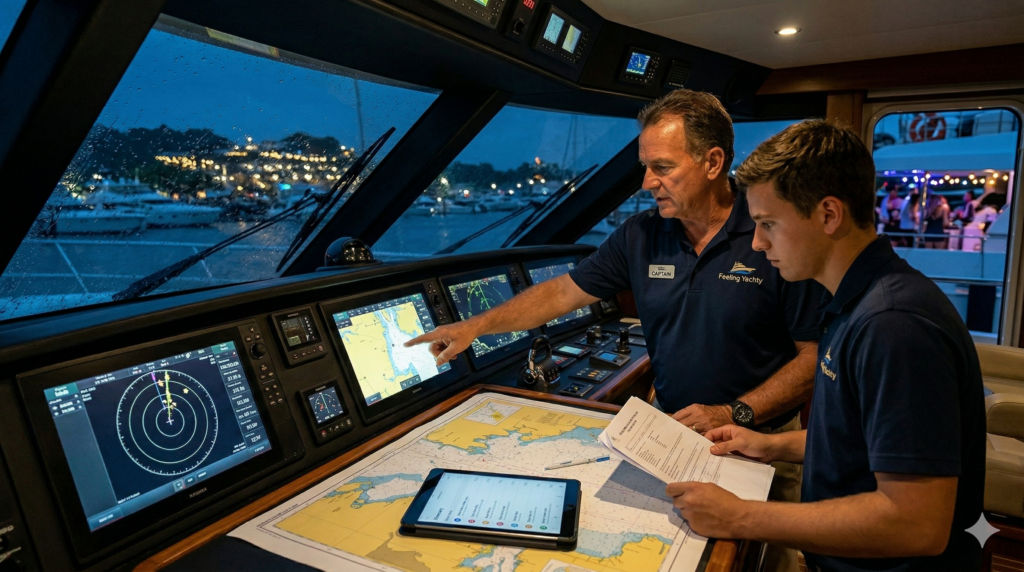
A basic charter includes a licensed captain. More premium experiences include additional crew members such as a steward or hostess, and sometimes a chef.
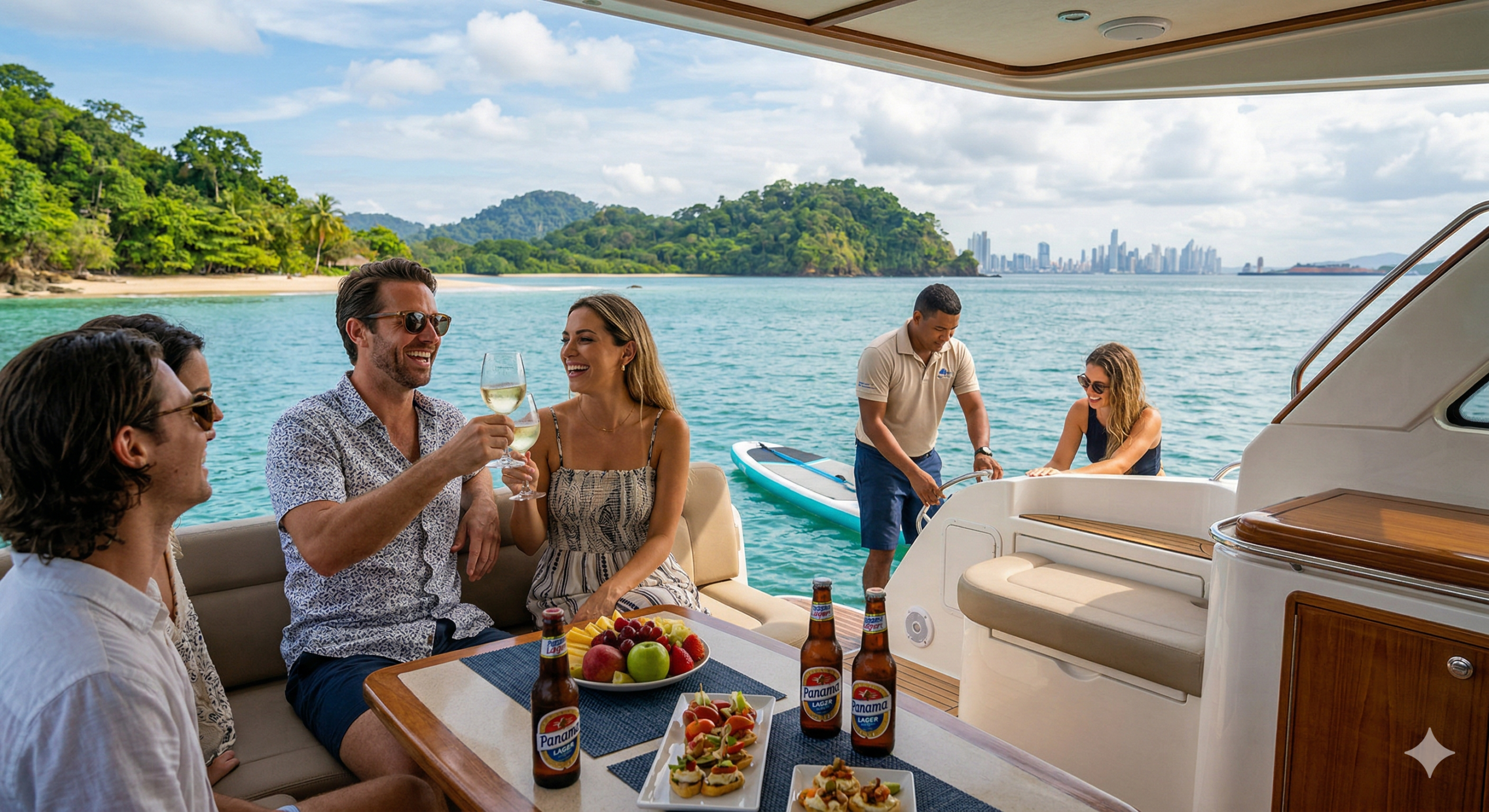
In Panama, where many charters involve island stops, swimming, and onboard service, having the right crew makes a noticeable difference. They handle everything from navigation to guest comfort.
From my experience, clients who invest in a higher level of service tend to enjoy the charter more. It’s not just about luxury—it’s about smooth execution.
If you’re curious about how professional crews operate, you can get a better sense by looking at the Feeling Yachty crew and how roles are structured onboard.
Purpose of the Charter: Not All Trips Are Equal
Why you’re chartering a yacht has a direct impact on pricing.
A simple day trip with a small group is very different from hosting a celebration or event onboard. For example, a yacht party in Panama requires additional coordination, safety considerations, and sometimes extra crew or equipment.
Corporate events, birthdays, bachelor parties, and romantic getaways all come with different needs. Some require catering, music systems, decorations, or specific routes.
From my experience, the more customized the experience, the more variables come into play—and that affects pricing.
Onboard Add-Ons and Customization
Beyond the base charter, there are optional extras that can increase the total cost.
Catering is one of the most common additions. Some clients prefer simple snacks and drinks, while others request full meals or premium dining setups.
Water toys like jet skis, paddleboards, snorkeling gear, or inflatables can also be included. These enhance the experience but come at an additional cost depending on availability.
Decorations, DJs, photographers, and special requests are also common, especially for events.
A common mistake we see is clients focusing only on the base price without considering these extras. In reality, the final cost reflects the full experience, not just the boat.
Safety, Regulations, and Compliance
Safety is a non-negotiable part of yacht operations, and it influences pricing more than most people realize.
Licensed operators in Panama must comply with maritime regulations, maintain safety equipment, and ensure crew certification. This includes life jackets, communication systems, and emergency protocols.
Cutting corners on safety is not an option for professional operators. Maintaining high standards requires ongoing investment, which is reflected in pricing.
If you want to understand how this works in practice, it’s worth reviewing yacht safety protocols to see what responsible operators include as part of the experience.
Market Positioning and Operator Reputation
Not all charter companies operate at the same level.
Some focus on volume, offering lower prices with more basic service. Others prioritize quality, curated experiences, and premium vessels.
From my experience, reputation matters. Clients who have a smooth, well-organized charter often return and refer others. That consistency comes from proper systems, experienced crews, and well-maintained yachts.
If you’re evaluating options, looking into customer feedback can give you a clearer picture. Reading through real client reviews helps set expectations beyond just pricing.
Comparing Value Instead of Just Price
One of the biggest misconceptions in yacht charters is focusing only on the lowest price.
In Panama, two charters might look similar on paper but offer completely different experiences. One might include fuel, crew, drinks, and service, while another charges for each element separately.
From my experience running charters, the best approach is to compare value, not just cost. Ask what’s included, understand the route, and clarify the level of service.
A lower price doesn’t always mean a better deal if key elements are missing.
The Reality of Charter Pricing in Panama
Panama is a unique charter destination. You have access to the Pacific, dozens of islands within reach, and a mix of urban and remote experiences.
That diversity is what makes pricing so dynamic. A simple bay cruise near Panama City is completely different from a full-day island-hopping experience in the Pearl Islands.
In most charters we operate in this area, clients are not just paying for a boat—they’re paying for access. Access to places that are otherwise hard to reach, to privacy, to a different pace of life.
And that’s really what defines yacht charter pricing here. It’s not just about the vessel. It’s about the experience you’re creating on the water.
From my perspective, once clients understand how these factors come together, the pricing starts to make sense—and more importantly, they can choose the experience that actually fits what they’re looking for.
 English
  Español de Colombia