Pearl Islands Yacht Route for Swimming and Snorkeling
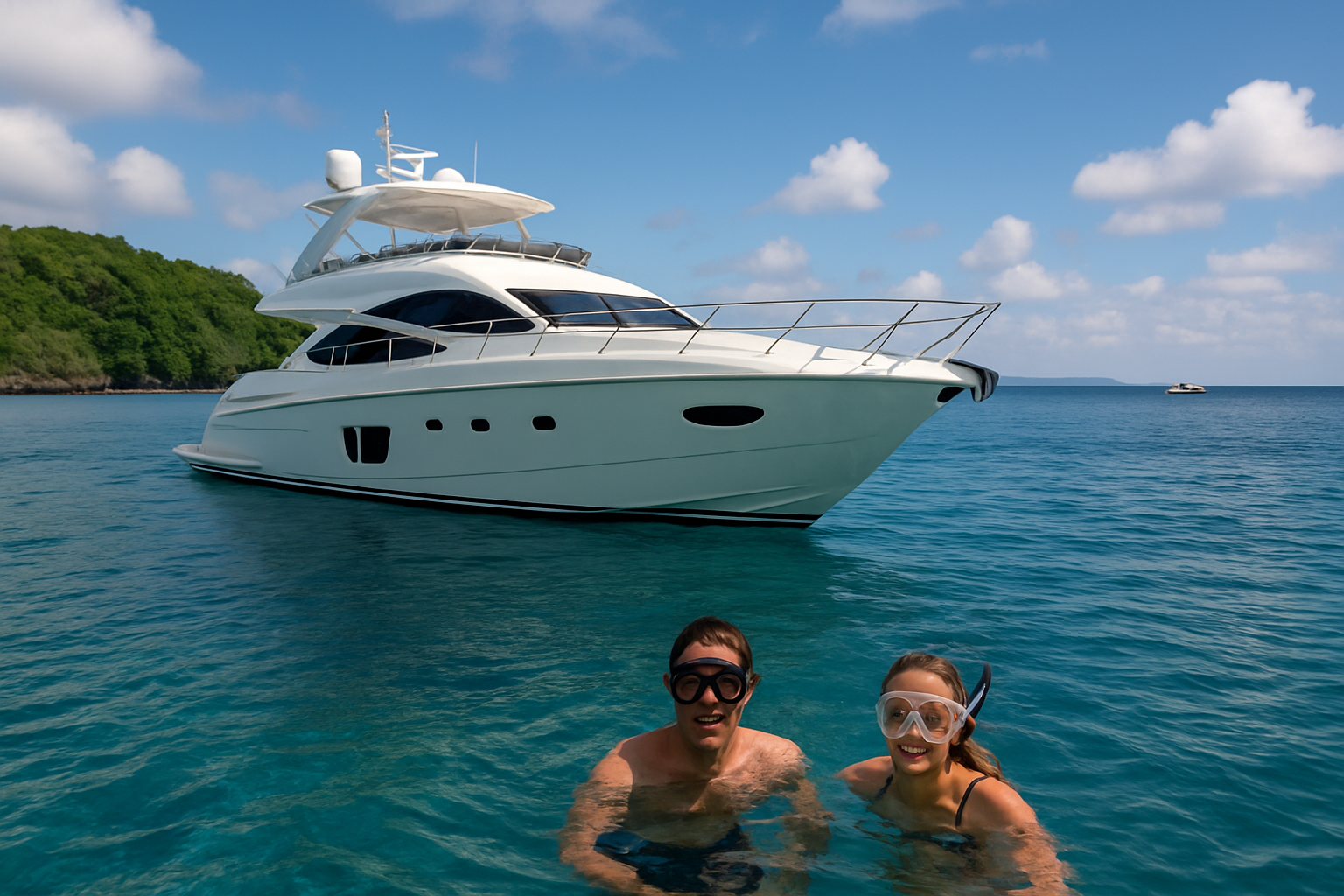
The best Pearl Islands snorkeling by yacht is usually one sheltered anchorage near Contadora, Saboga or the smaller islands, chosen by the captain on the day for calm water and visibility. Plan a full day from Flamenco Marina on the Amador Causeway; groups of any size board a private boat, from $800 for 3 hours.
Plan around the purpose of the trip
Some guests want an easy swim in sheltered water. Others hope to see fish while snorkeling or enjoy a scenic stop for photography. Those priorities may lead to different anchorages and different requirements for the yacht. If guests are new to snorkeling, a calm, supervised water-entry plan is more important than a remote destination with uncertain currents. If turtles, dolphins or rays turn up, the rules for boats around wildlife in Panama are on Yachty Guide.
Tell the operator whether anyone needs flotation equipment, has limited swimming ability, or prefers not to enter the water at all. Not every yacht has a swimming platform or tender, and no guest should feel pressured to participate.
A flexible one-destination itinerary
Begin by asking the operator for the actual departure marina, realistic travel time and candidate anchorage. A well-planned trip can proceed in five stages:
- Arrive and board at the confirmed Pacific marina, with enough time for briefing.
- Make the outbound crossing at a speed appropriate to conditions and the vessel.
- Assess the preferred anchorage, water conditions and safe entry/exit method.
- Enjoy swimming, snorkeling or relaxed onboard time at the approved stop.
- Return with a conservative transit allowance before the scheduled end.
This is a decision framework, not a published promise that every stop will be available. A captain may substitute a more protected location or advise against entering the water altogether.
What makes a suitable snorkeling stop?
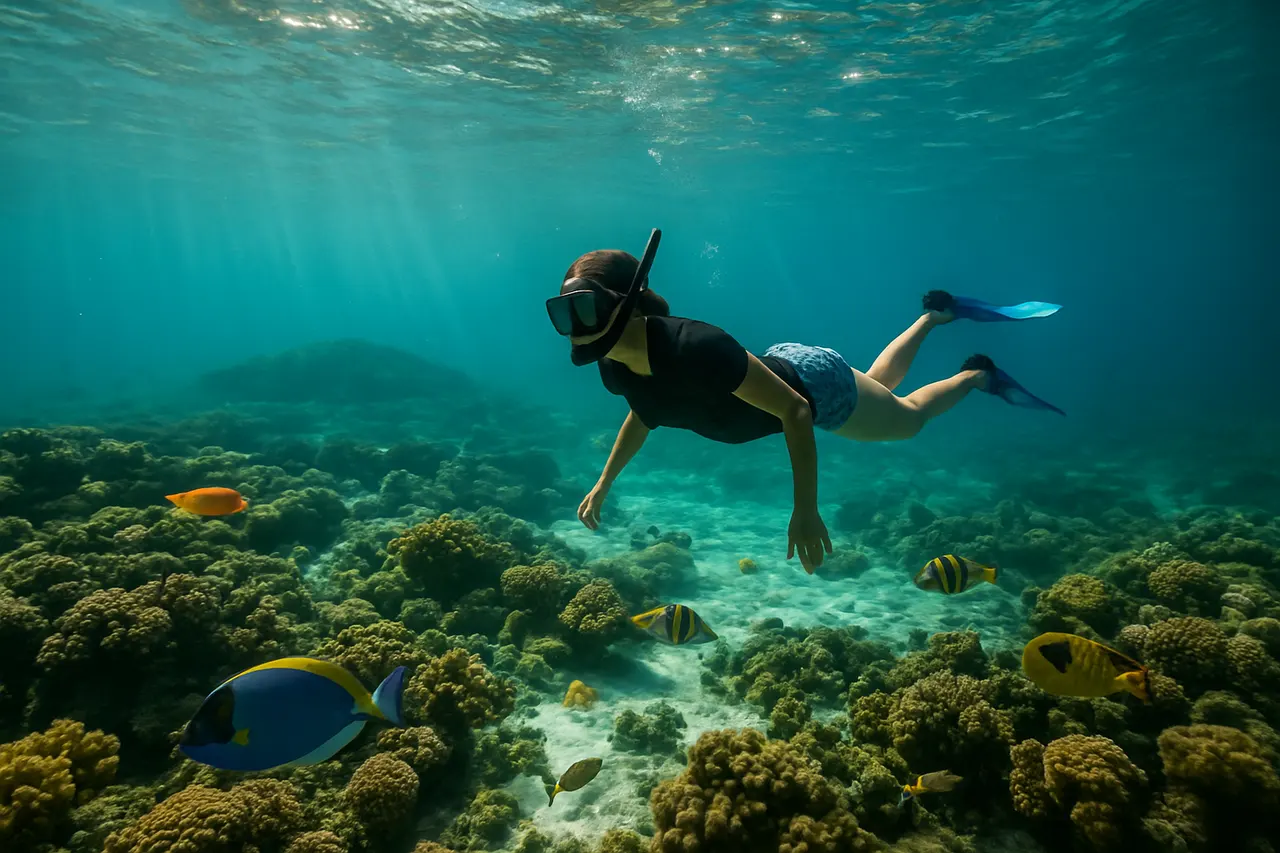
The best location is one the captain can safely use. Ask about the day's visibility, current, exposure to boat traffic, hazards and environmental rules. Clear-looking water from the deck may hide strong current or shallow structures. Reefs and marine life deserve care: avoid touching coral, standing on living habitat, feeding animals or collecting shells or organisms.
Snorkeling equipment should fit the user properly. Guests need to understand the return-to-boat procedure and know where the crew will supervise the activity. If the charter does not provide gear, ask whether passengers may bring their own.
Is Contadora or Saboga better?
Both are within the Pearl Islands, but neither has one permanent “best” swimming spot. Contadora can suit a mixed activity day involving approved shore access, while Saboga may appeal to guests seeking quieter surroundings. Conditions and access determine which plan works on the actual date.
For a closer comparison of island styles, consult Contadora vs Saboga. For an actual destination, ask the operator to describe the intended anchorage rather than assuming you can land anywhere around an island.
What to bring for a comfortable water day
- A secure swimsuit and a change of dry clothing.
- Sun protection that does not require handling products over sensitive marine habitat.
- Drinking water and appropriate snacks or meals.
- Personal medication or motion-sickness support as advised by your clinician.
- A waterproof bag for essentials.
- Comfortable footwear for approved boarding and landing areas.
Avoid packing drones, fishing or diving equipment assuming they are permitted at every location. Obtain approval for specialized activities and equipment first.
Your route depends on the boat
A motor yacht with an appropriate swim platform may offer a different water-entry experience from a smaller dayboat or a sailing-style vessel. Passenger capacity, restroom access, shade and ladder design also affect how enjoyable the stop will be. Never infer the safe number of swimmers from the boat's size.
The Pearl Islands fleet listings can help narrow the possibilities. Confirm the exact vessel's planned route and gear before booking.
Timing without invented promises
The longer the outbound and return crossing, the more important it is to protect usable water time. If the group only has a short charter duration, an accessible nearby Pacific swim route may be more enjoyable than reaching the Pearl Islands with little time left to anchor. Ask for a time budget and fallback plan.
Read the travel-time guide to understand the variables that change the day's schedule.
Boats for Taboga and the Pearl Islands
For Taboga and the Pearl Islands, larger boats and catamarans give the group more shade and deck space on the longer crossing: the 65ft Ferretti flybridge, the 54ft and 59ft catamarans and the 47ft Power Cat all board at Flamenco Marina on the Amador Causeway with a captain aboard, for groups of any size. Boats of 50 to 59 ft start from $1,300 for 3 hours.
Compare every boat and price on Panama yacht rentals, or go straight to Pearl Islands yacht charters. Related guides: Pearl Islands Yacht Charter Guide from Panama City, Chapera Island Yacht Charter Guide: Pearl Islands Planning and Best Pearl Islands Beaches to Visit by Private Yacht. Boats to look at: 65ft Ferretti flybridge, 54ft catamaran and 47ft Power Cat.
Request a route that suits the group
When requesting a charter, provide your date, party size, preferred departure point and what matters more: snorkeling, comfortable swimming, a scenic island, or lunch aboard. A good route is one that fits the actual yacht and that day's conditions rather than a rigid list of unverified stops.
Dates, routes and what to confirm before you pay are gathered on Panama yacht tips.
Swimming and snorkeling FAQs
Is snorkeling guaranteed on a Pearl Islands yacht charter?
Can guests who do not swim still enjoy the trip?
Can we stop at several islands?
Is the water always clear?
When is snorkeling visibility best in the Pearl Islands?
Can beginners snorkel from a private yacht in the Pearl Islands?
Will we be able to snorkel at every island on the route?
Ask the Panama team
Send the date, the route and the group size. WhatsApp the Panama team on +507 202-1729 (USA line +1 754-325-3827), in English or Spanish.
This guide is part of our pearl islands guides. For every topic, from booking and pricing to routes and safety, see the full Panama Yacht Tips guide library.
 How Long Does It Take to Reach the Pearl Islands by Yacht?
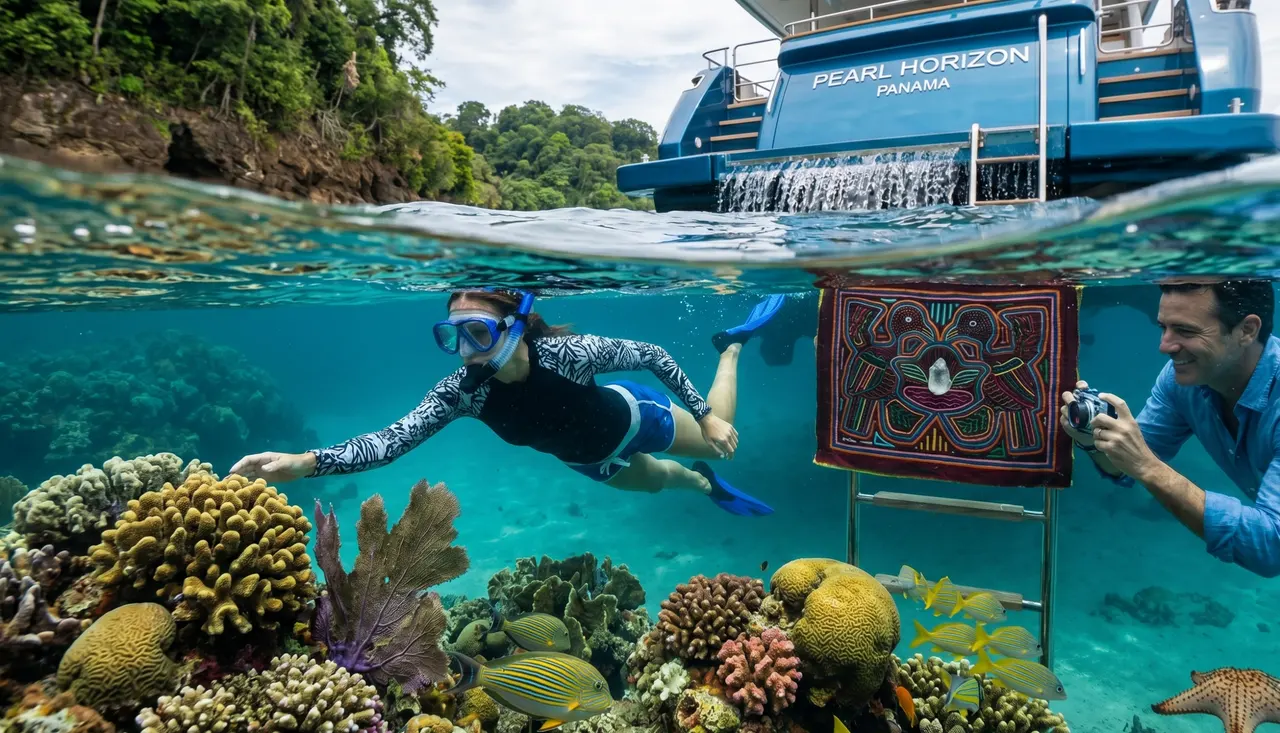 Pearl Islands Yacht Charter Guide from Panama City
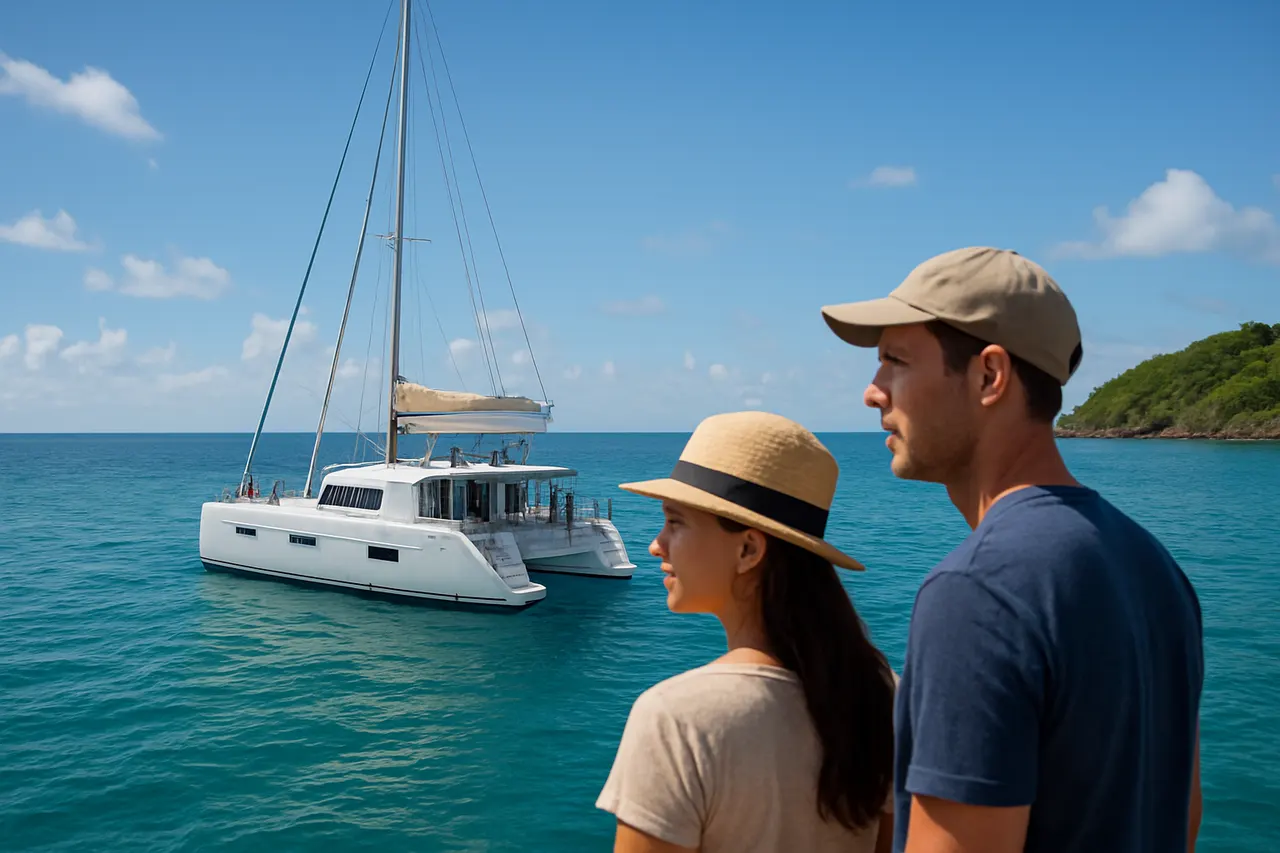 Chapera Island Yacht Charter Guide: Pearl Islands Planning
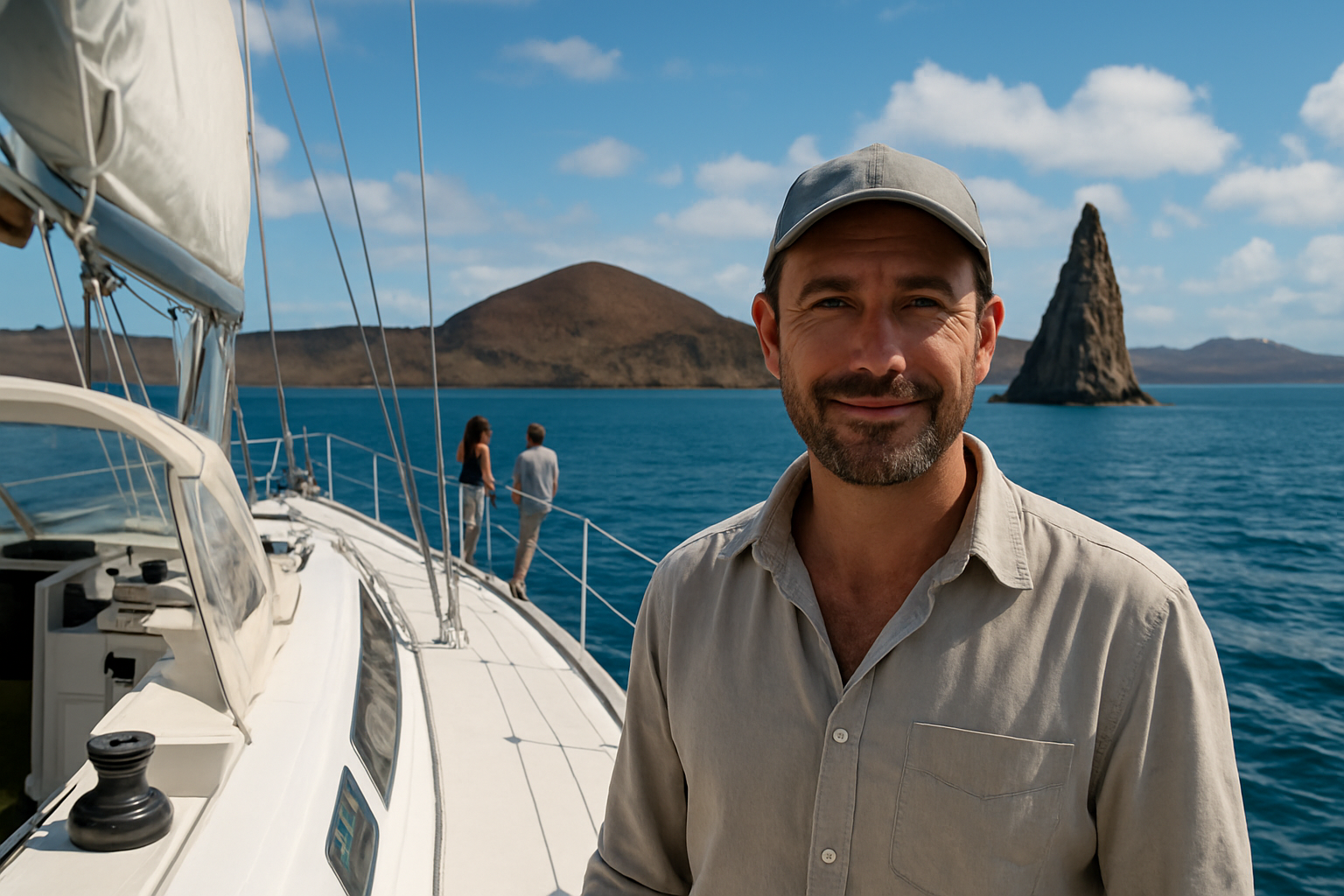 Bartolomé Island Yacht Charter Guide: Planning a Pearl Islands Visit
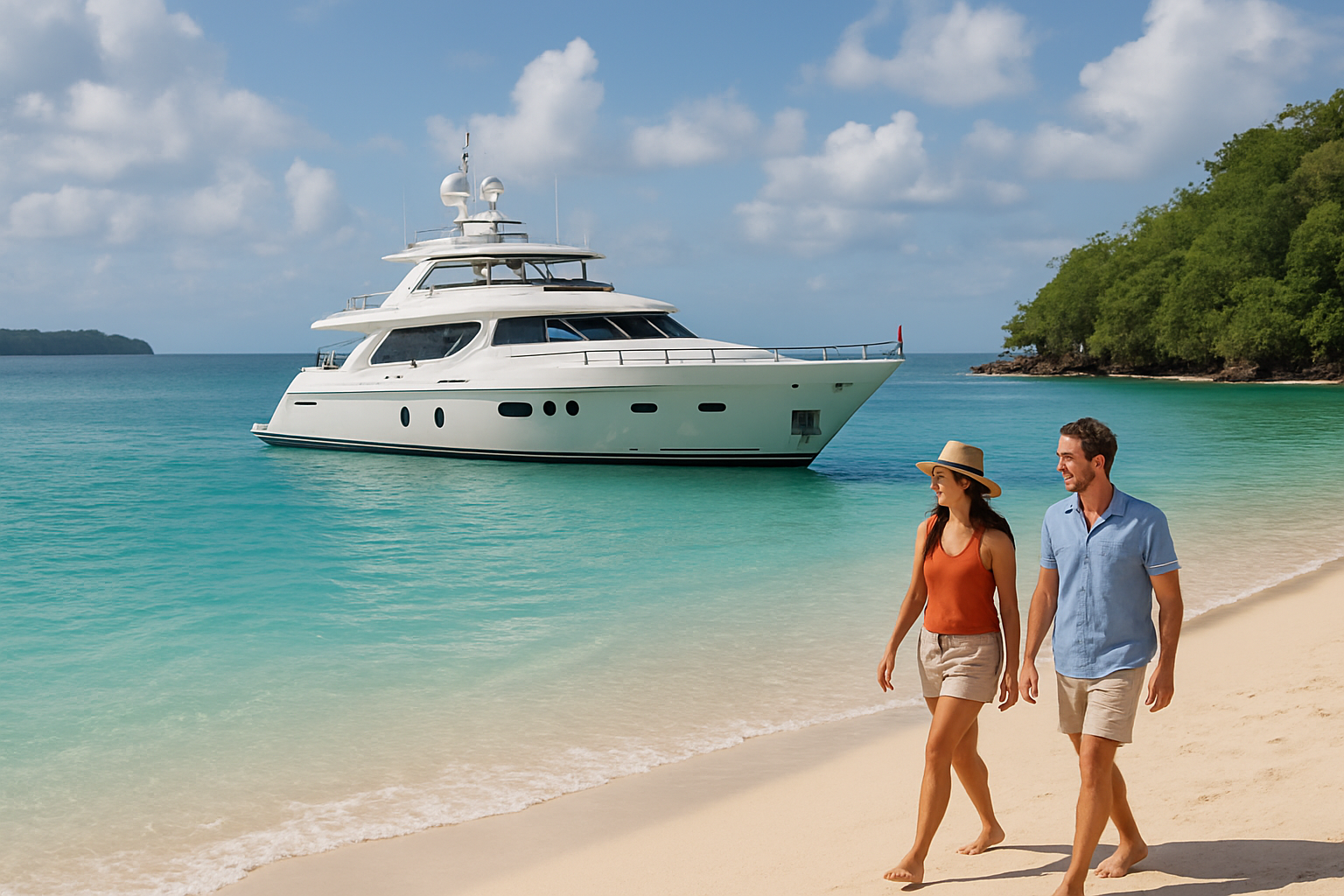 Best Pearl Islands Beaches to Visit by Private Yacht
 Two-Day Pearl Islands Yacht Itinerary: A Practical Overnight Plan
 Full-Day Contadora Yacht Itinerary: Plan Your Time on the Island
 Contadora vs Saboga: Which Island Fits Your Yacht Trip?