Birthday yacht in Miami — packages by age group
Plan a Miami birthday that actually fits your people—from toddlers who need shade and soft edges to 21st blowouts and elegant 50th dinners. This age‑by‑age guide aligns the vessel, route, runtime, entertainment, and safety plan so your cake survives the turn and your photos look like a dream. Use it to shortlist smarter, budget cleaner, and celebrate better on Biscayne Bay.
Birthday yacht in Miami — packages by age group: overview
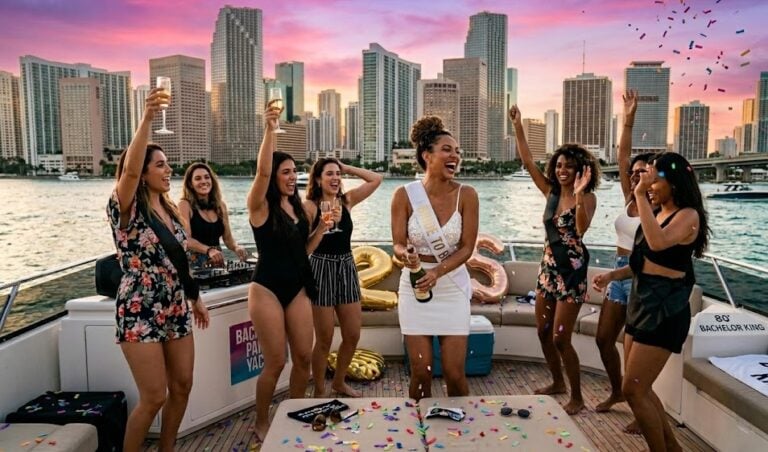
Picture this: 5:42 p.m., golden light raking across Brickell’s glass, “Happy Birthday” floating over Biscayne Bay, and a three-tier cake that actually survives a smooth turn past Fisher Island because you chose the right boat. That’s the whole game here. “Birthday yacht packages by age” in Miami isn’t a gimmick—it’s shorthand for tailoring the vessel, route, runtime, entertainment, and safety plan to the people you’re actually celebrating.
Age matters on the water. Toddlers need shade, soft edges, and nap-ready cabins. Teens want content moments and upgraded sound. A 21st birthday needs a responsible service plan and clear ID controls. A 50th wants seating, speech-ready AV, and a calm-water route that keeps champagne in the glass. When you plan by age group, you’re not being picky—you’re engineering a better day, with fewer surprises and better photos.
Think of it as a quick mental matrix. For 1–5, pick stability and short runs: a catamaran or a wide 60–70 ft motor yacht for 2–3 hours mid-morning, modest budget weighted to crew and safety. For 6–12, stretch to 3–4 hours, add toys, aim at Monument Island or Nixon Sandbar, budget for a pizza bar and a few themed touches. For teens, 4–5 hours to hit a sandbar plus golden-hour skyline, invest in sound, lighting, and content capture. For 21, 25, 30, you’re upgrading the yacht class and F&B, usually 4–6 hours sweeping from sandbar to night skyline with a dock-and-dine window. For 40–60+, consider larger luxury yachts or COI event vessels for comfort, seating, and accessibility, add a chef or live music, and map a protected Bay route.
One takeaway: align the yacht and itinerary with the age profile first—everything else (budget, decor, entertainment) falls neatly into place.
How Miami yacht charters work (definitions and processes)
Crewed vs. bareboat
Before you book, a few definitions will save you headaches and keep you compliant. A crewed charter means the vessel is operated by a professional captain and crew employed by the owner or manager; you’re a guest, not responsible for navigation. A bareboat (demise) charter means you’re technically renting the boat itself. You (the charterer) choose and pay the captain, take responsibility for fuel and provisioning, and accept more liability; it’s sometimes used to carry up to 12 passengers legally on an uninspected yacht, but it must be structured correctly.
Inspected vs. uninspected
USCG-inspected passenger vessels carry a Certificate of Inspection (COI) stating how many people they can legally carry—13, 49, 100+, depending on build and service. Uninspected yachts are limited in passenger count: with a licensed captain under OUPV (the “6-pack” license), they may carry up to 6 paying passengers; under a true bareboat charter structure, many yachts can carry up to 12 passengers (not including crew). If you want 13 or more guests, you need a COI vessel. It’s binary, and yes, infants and children count as passengers under Coast Guard rules.
Day vs. term charter
Day charter versus term charter is timing. Day charters run three to eight hours and are priced hourly or by the half/full day. Term charters are multi-day with an Advance Provisioning Allowance (APA) of roughly 30–35% for fuel, food, and incidentals. On pricing language, expect a base rate plus Florida sales tax, fuel (sometimes included for “idle/troll” local routes), a service charge or port fees on certain marinas, and gratuity (15–20% customary for captain/crew on day charters). For larger yachts or overnight trips, the APA holds funds for actual expenses; unused balance is refunded.
Passenger limits
Passenger limits in Miami are straightforward: up to 6 guests on standard uninspected “6-pack” charters with a licensed captain, up to 12 guests on properly structured bareboat charters, and 13+ only on a USCG COI vessel. Don’t try to fudge this; enforcement is real in Miami, and yes, your two-year-old cousin is a passenger in the count.
Here’s how booking works when it’s done right. You inquire with your date, ideal time window, headcount, age profile, and budget. A good broker or manager will ask about vibe (swim party, dinner, sunset) and accessibility needs, then send a curated shortlist with walkthrough videos. If you’re local, a 15-minute dockside tour seals the decision. Once you choose, you sign a charter agreement, pay a deposit (often 50% at signing), and set a balance due date (7–14 days before departure). If it’s a bareboat, you’ll review a captain roster and select a qualified skipper; for crewed yachts, the manager confirms captain, mate, and stew; add a chef or event coordinator if needed. You’ll handle provisioning—either DIY with delivery or through the yacht’s supplier—and choose add-ons (DJ, décor, photographer). A final manifest with full names and government ID details is due before boarding. On the day, everyone shows ID at check-in, you get a safety briefing, and lines are off.
Crew roles matter more than the hull sometimes. Your captain runs navigation and safety. A mate/deckhand handles lines, toys, and tender ops. A steward(ess) manages interior service, drinks, and guest comfort. A chef elevates everything; even a simple sushi tray becomes art onboard. For larger productions, an event coordinator keeps timing tight—speeches, cake, first dance.
Pricing in Miami reflects demand patterns. Expect four-hour minimums on most yachts, premium pricing on Saturdays and holiday weekends, and package escalators for New Year’s Eve, Art Basel, Ultra, and big sports weekends. Weekdays often run 10–20% less than peak Saturdays. If you’re flexible, a Friday sunset slot will stretch your budget further than a Saturday prime.
Insurance, waivers, and policies sit in the background but matter on game day. The vessel’s liability insurance covers the boat; you may post a damage deposit for spills or upholstery mishaps. Weather policies usually set rescheduling windows if the captain deems conditions unsafe (small craft advisories, lightning). Mechanical contingencies include substitution of a comparable vessel or a refund if the trip can’t run. Cancellations follow the agreement: non-refundable within a certain window (often 7–14 days for day charters), with reschedule options when available.
Have questions about compliance and paperwork? Your broker will outline safety rules, insurance, and charter agreements for Miami waters before you sign.
Choosing the right yacht for your group and age profile
Start with headcount and work backward. For 2–6 guests, sporty center consoles, 40–60 ft express yachts, or small sailing cats are intimate and quick to set. For 7–12 guests, midrange 50–90 ft motor yachts and 40–50 ft sailing catamarans are sweet spots—enough deck space, real cabins, proper heads. For 13 to triple digits, you’re in COI territory—classic event yachts and modern party boats with certified capacities, wide decks, and built-in AV.
Comfort and stability are the quiet MVPs. Catamarans offer broad decks, gentle roll motion, and easy water access—gold for young kids, older family members, and casual brunch parties. Flybridge motor yachts give you shade, views, and separation of spaces: upper deck for conversation, aft deck for dining, bow for photos. If anyone in your group is motion-sensitive, tell your captain; Biscayne Bay inside the barrier islands is your playground, and a cat or wide-beam 80–100 ft yacht keeps things civilized.
Amenities depend on age. For toddlers and young kids, prioritize full shade, gated stairs, non-skid decks, and a quiet cabin with AC for naps. For kids and teens, think swim platform, lily pad, paddleboards, snorkel kits, rinsing showers, and an engine-off swim plan. For 21+, you’re adding a real sound system, coolers or backbar station, and lighting that plays well at night. For older guests, seating density, handrails, and calm itineraries rule.
Accessibility can make or break a multi-generational day. Ask about boarding ramps, handrails, rail height, cushion firmness, and step counts between decks. Choose departure marinas with convenient parking and minimal gangway angles—see Miami‑Dade Parks marinas for options across the county.
Seasonality sets tone and price. High season runs December through April—stellar weather, higher demand. Summer brings warm water, afternoon thunderheads, and better deals; plan morning runs or sunset departures and build in rain buffers. Hurricane season means flexible policies and a sharp eye on forecasts; reputable operators have clear reschedule language.
Match itinerary to age and vibe. Sandbar swim parties work for 6–30-somethings when supervised; Monument Island, Nixon Sandbar, and Haulover are the classics, each with its own scene. Skyline cruises hit the dopamine switch at sunset: Downtown/Brickell, the Port, Fisher and Star Island home-peeking, Venetian Islands bridges. Snorkel and nature itineraries point toward Stiltsville and the edges of Biscayne National Park when conditions are calm. Dock-and-dine runs weave Kiki on the River, The Wharf, Seaspice, Monty’s, and Joia Beach into the story; dock reservations are essential on weekends.
Birthday packages by age group
Toddlers and young kids (1–5)
Keep it short and gentle. Two to three hours late morning or early afternoon is the sweet spot. Choose a stable platform—a 40–45 ft sailing cat or a 60–70 ft motor yacht with a shaded aft deck and wide side decks. Stick to calm sections of Biscayne Bay: the lee of Virginia Key, the basin near the Rickenbacker, or a slow skyline loop that lets tiny humans watch dolphins and tugboats without getting over-stimulated.
Activities are simple and delightful: a bubble machine on the aft deck, a soft-play corner on a non-slip mat, storytime in the salon, and low-volume music. Safety drives the setup: child-sized USCG-approved life jackets on hand, stair gates where possible, and a cabin staged as a quiet zone for naps with cool AC. Keep catering kid-forward and allergen-aware—cut fruit, mini sandwiches, water and juice boxes—with a small cake at the halfway mark. Decor stays gentle and eco-friendly: soft banners and reusable garlands; skip confetti and balloon releases (both are restricted and a bad look in a fragile bay).
Budget accordingly. At the essential tier, you’re paying for the right crew and boat plus soft drinks. Step up to light catering and a few decorations for comfort. At the premium end, add a kids’ entertainer in soft-soled shoes and a photographer who understands candid family shots onboard. An example that works every time: Lucas’s 3rd on a 44 ft Lagoon cat, two hours from Dinner Key, bubbles, cupcakes, a surprise manatee near the marina, wheels turning back by nap time.
Kids (6–12)
Three to four hours midday with a swim stop turns into a dream birthday. A 50–80 ft motor yacht with a swim platform or a catamaran with a wide transom keeps water time easy. Aim for Monument Island or Nixon Sandbar—close enough for maximum playtime. Roll out the lily pad, paddleboards, and mask/snorkel sets, and run a simple treasure hunt with waterproof clues and a floating “chest.”
Safety is structured, not heavy-handed. Establish in-water supervision, fit kids with PFDs, and follow engine-off swim protocols with a float line. Build a sun protection station with hats, reef-safe sunscreen, and plenty of hydration. Feeding kids at sea is not complicated: pizzas or tacos set up in trays, cupcakes for the candle moment, and a mocktail station with fruit garnishes. Entertainment add-ons scale well: a magician for 30 minutes of wow, a mermaid visit at anchor, or face painting with gentle, removable paints.
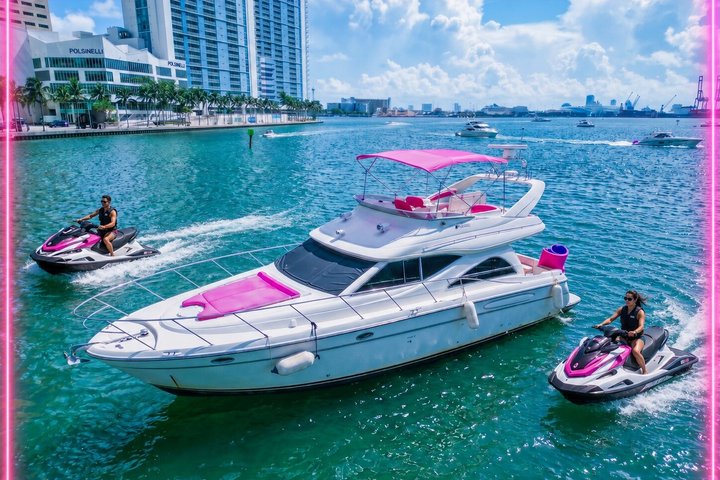
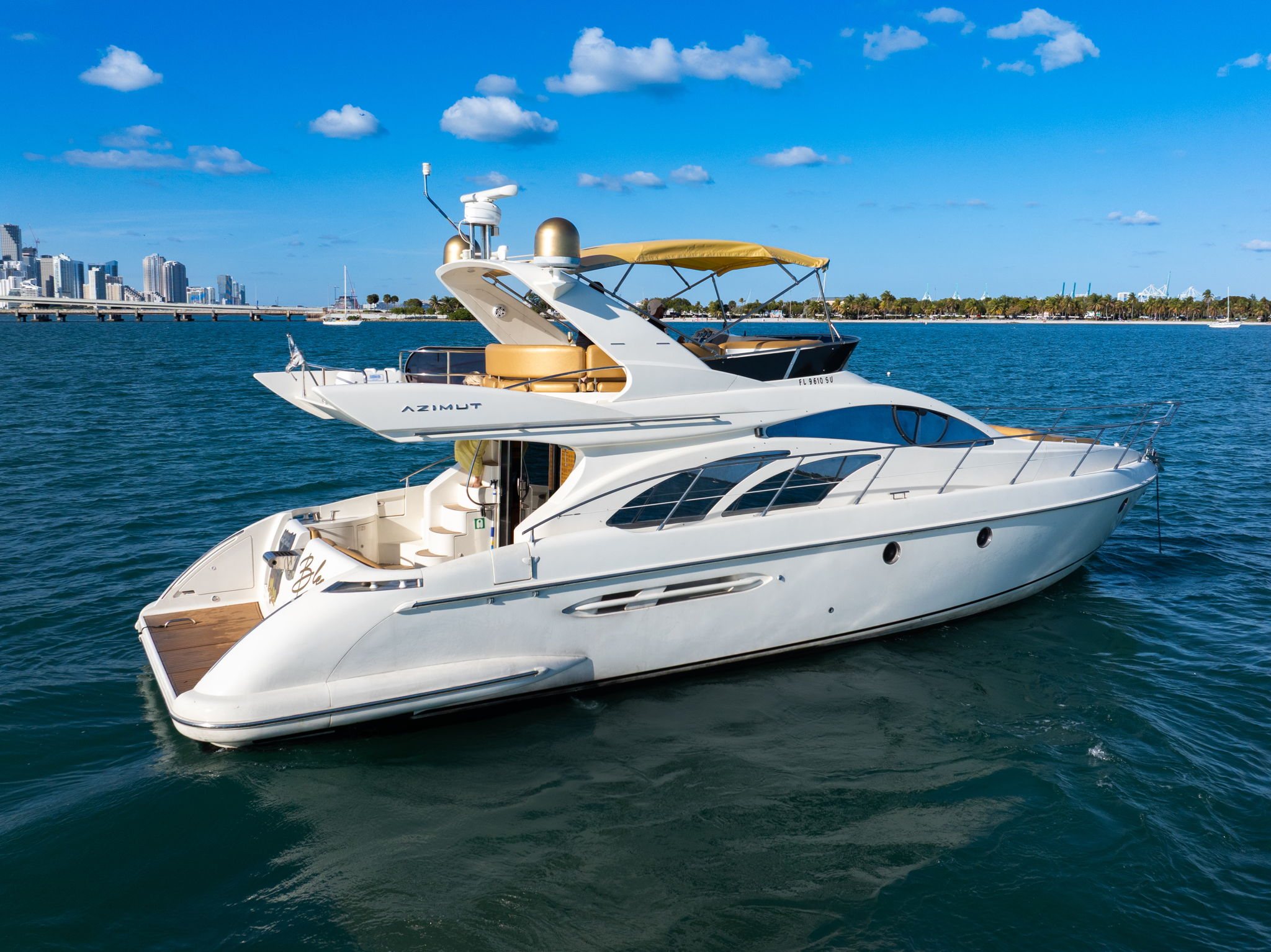
Budget tiers go from basic toys on a standard yacht to full themed production with backdrops and a videographer. A quick real-world analogy: Maya’s 8th on a 62 ft Azimut, four hours from Miami Beach Marina, Monument Island swim, taco bar, a 20-minute magic show while towels dry, back before traffic.
Teens (13–17)
Give them golden hour and a sound system they can feel. Four to five hours starting mid-afternoon hits a sandbar and catches the skyline at its best. A 60–90 ft motor yacht with an open bow and clean loungers becomes a content studio. Layer in a photobooth corner and a drone operator with FAA Part 107 credentials if you want aerials without breaking rules.
The route: Haulover or Nixon for a controlled swim and float party, then a slow loop past Star Island and the Port as lights come on. Food trends toward sliders, sushi trays, fruit boats, and mocktails with real glassware swapped for acrylic on deck. Keep rules clear: no alcohol, chaperone ratios that make parents and captain comfortable, and a simple social media consent plan for group photos. Budget ranges from base party with crewed service and music to influencer-grade content setups with lighting design and a small production team. Watch them light up when the drone skims past the bow at sunset; that’s the shot they’ll remember.
Quinceañera (15) and Sweet 16
This is ceremony plus spectacle. Plan four to six hours to build in posed photos at sunset. A 70–120 ft luxury yacht hosts beautifully; for bigger family groups, move to a COI event yacht so abuela, tíos, and the court all fit comfortably. The route is a stage: pass Star Island, pause for a court of honor procession on the aft deck, swing through the Port for those big industrial backdrops, then drift under Brickell’s glass at blue hour.
Experience drives the plan: a bilingual MC sets flow; a choreographed dance is rehearsed and staged; AV checks happen before boarding. Decor leans elegant—florals, a step-and-repeat, cohesive colors. Catering can be Latin fusion with a pastel de tres leches finale and a non-alcoholic champagne toast. Book a professional photo/video team and, if using a drone, submit a flight plan and respect airspace and privacy. Budgets scale from elevated decor and AV to full-production luxury with a live band. We’ve seen quince shoots on a 100 ft Sanlorenzo look like a music video—because the timeline respected both the ceremony and the light.
18th birthday
It’s transitional—grown-up energy, still no alcohol for under-21s. Four hours from afternoon into sunset works. Choose a 60–90 ft yacht with a proper swim platform and sound. Start with a sandbar float party, then shift to a skyline cruise as the soundtrack turns up. Bring a DJ if the friend group is large; otherwise, a tight playlist and an aux cable do the job. IDs are checked at boarding; captains in Miami are strict about alcohol rules. Budgets range from DJ plus simple catering to luxe styling with pro videography for graduation reel content.
21st birthday
Now the bar is legal—and needs to be smart. Run four to six hours late afternoon into night. A 70–100 ft sport or luxury yacht hits the energy right; for 13 or more, a COI event yacht keeps you compliant. Route-wise, pregame at Monument or a quiet anchorage, then chase the night skyline and land a dock-and-dine stop at Kiki on the River, The Wharf, or Seaspice if slips are available.
Your mixologist becomes the MVP: signature cocktails, a shot-ski moment for the photo, and a water-rotation policy baked into service. Wristbands for 21+ let crew serve confidently. LED party toys keep the dance floor playful after dark. Budget from open bar with tapas to premium spirits, a live DJ, and a security detail for crowd control. Manage the pace and everyone gets off smiling with great footage.
Mid-20s (25th) celebration
The 25th wants polish without stiffness. Plan four to six hours with a brunch-at-sea or sunset tapas theme. A 60–90 ft yacht or a big cat gives you social deck space for grazing and conversation. Hit Nixon or Haulover for a dip, then sweep through Brickell for golden-hour photos. Layer in a content crew for a crisp short-form recap. If you want power toys, use a licensed jet ski livery; operators must follow Florida rules, full stop. Budgets range from chic brunch with a curated playlist to premium with a private chef and craft mixology.
30th milestone
Thirty deserves intention. Four to six hours centered on golden hour lets you stage a chef-driven menu and a champagne tower without rushing. A 70–100 ft luxury yacht becomes your dining room, with photo ops at Fisher Island, Stiltsville’s ghostly houses (weather-permitting), and the Cape Florida Lighthouse. Stage aesthetic tablescapes that won’t shift underway, keep a sunscreen bar and cool towels within reach, and let a sax/DJ hybrid lift the vibe as the lights come up. Budget goes from elevated dining to luxury culinary with entertainment—less about volume, more about taste.
40th birthday
This is the sweet spot for a seated dinner and a proper wine pairing. Four to six hours from sunset into city lights, on an 80–120 ft yacht with a quiet main salon and a breezy aft deck. Choose private coves for aperitifs, then a skyline dinner cruise where conversation wins. Add a live trio—guitar, sax, percussion—to keep energy moving without drowning out toasts. An outdoor cigar sommelier works if the vessel’s smoking policy allows and you keep it wind-aware, and dessert sparklers can be done within fire safety rules. Budgets range from refined cocktail party to a white-glove dinner with a named chef.
50th “golden” birthday
Comfort, storytelling, and a smooth sea plan. Four to six hours, 90–130 ft luxury yacht or a COI event yacht for larger family trees. Route the scenic stretches of Biscayne Bay and avoid wakes. Build a legacy slideshow for onboard screens, script a toast program, and invest in floral design that reads on camera. Accessibility matters: minimize stairs in the flow, offer ample shaded seating, and choose itineraries that keep motion gentle. Budgets scale from classic celebration to full-service event production with AV support and an event coordinator.
60+ and multigenerational gatherings
Aim for three to four hours midday in the calmest water. A wide-beam yacht or catamaran with deep shade and firm, plentiful seating is perfect. Hug the protected lee of Key Biscayne and time No Name Harbor lightly if it’s not crowded. An acoustic set—nylon-string guitar or light keys—pairs beautifully with a family storytelling circle and a scheduled photo session that gets everyone in frame without chaos. Catering is light Mediterranean, mocktails, tea and coffee service, and a classic cake. Provide boarding ramps, step assistance, and motion-comfort planning. Budgets range from relaxed family cruise to premium with live music and a photographer who focuses on legacy portraits.
Add-ons and experiences to customize any age package
Water toys are fun until they’re not. Paddleboards, lily pads, snorkel kits, and floating slides are straightforward when the captain approves conditions. Jet skis must come via a licensed livery; in Florida, you must be 18 to rent, at least 14 to operate, and anyone born on or after Jan 1, 1988 needs a Boater Safety ID Card. A good operator will check cards and explain the riding area; you want that briefing.
Music and entertainment scale gracefully: a DJ with a tidy footprint, a bilingual MC for formalities, a live band, sax, or violinist for texture, even karaoke in calm anchorages. Decor and production lean eco-conscious: florals, elegant tablescapes, LED furniture, and custom neon replace balloons and confetti. Food and beverage options range from passed canapés to buffets, a sushi chef on the aft deck, and dessert tables anchored for motion. Bartenders can run signature cocktails and zero-proof menus with equal flair.
Capture the day properly. A photographer who knows boats will manage glare, wind, and reflection; a videographer and a Part 107 drone pilot add aerial drama where permitted. Live-stream setups let distant family drop in for toasts. Comfort stations—sunscreen, plush towels, robes after a sunset swim, motion kits—are tiny line items that feel like luxury.
Explore popular extras and pricing with your charter manager—most add-ons can be tailored to age, vibe, and route.
Miami routes and anchorages by vibe
If you want family-friendly calm, work Virginia Key’s inside shores and Key Biscayne’s leeward coves. Time No Name Harbor between lunch crushes if you want to poke in. Sandbar scenes vary: Nixon is broad and social, Haulover is high-energy, and Monument Island mixes skyline views with quick dips.
For skyline and architecture, loop downtown and Brickell, slip by the Port of Miami’s cranes, and trace Fisher and Star Island for those celebrity home moments. Snorkel and nature days point toward Biscayne National Park’s edges and the Stiltsville flats when wind and vis cooperate. Sunset and night lights? Start near South Beach, arc through the Venetian Islands, and glide past the Rickenbacker Causeway as the city flickers on. Dock-and-dine hops thread Kiki on the River, Seaspice, The Wharf, Monty’s, and Joia Beach—call ahead for dock space and keep departure times honest.
Plan your route
Preview sample loops and anchorages with your captain to match the vibe you want—family calm, sandbar energy, skyline glamour, or nature and snorkel.
Sample timelines by charter length
A three-hour family cruise runs like this: quick boarding and safety brief, calm cruise to settle in, a tight swim stop where toys deploy fast, cake and photos while kids warm up, then a relaxed return. A four-hour sandbar plus skyline sequence builds anticipation: board, short cruise, 90-minute sandbar session with music low enough for instructions, golden-hour skyline loop, then a toast and cake as lights glow. A six-hour milestone dinner reads like a mini event: boarding cocktails and hellos, scenic cruise to set the mood, anchor and serve a two-hour dinner at leisure, sunset portraits while crew resets, night skyline glide, then dance and return.
Safety, legal, and environmental considerations
Life jackets are non-negotiable. Child-sized USCG PFDs should be on hand and fitted before departure, and remember every child counts as a passenger. Alcohol stays 21+ with wristbands and ID checks; a smart bartender will pace service with water rounds. For PWC rules in Florida, it’s 18 to rent, 14+ to operate, and a Boater Safety ID is required if you were born on or after Jan 1, 1988—no exceptions.
Swimming only happens when engines are off, with designated swim zones and float lines. Weather and sea state call the shots; check NOAA marine forecasts and expect protected-route backups or rescheduling during summer squalls and hurricane season. Respect quiet hours near residential islands—keep volumes reasonable per local noise ordinances. Stay kind to the environment: no balloon releases or confetti, recycle where possible, use reef-safe sunscreen, and obey manatee zones. Glass looks great but breaks badly—use acrylic on deck and keep bottles inside.
Know before you go
Review official safety guidance and local rules with your captain before departure; your briefing covers life jackets, swim protocols, weather plans, and respectful volume levels near homes and wildlife zones.
Budgeting and price benchmarks for Miami
Let’s talk numbers so you can plan with eyes open. Day rates swing with season, yacht pedigree, and exact spec, but you can anchor expectations. For 40–60 ft yachts, expect roughly $300–600 per hour with a four-hour minimum, plus tax and 15–20% gratuity; some include idle fuel for local loops. The 60–80 ft segment typically runs $500–1,000 per hour, with popular 70-footers in high season nudging the top. Step into 80–100 ft luxury and you’re looking at $800–1,500 per hour, often with elevated service and toys. At 100–130 ft, pricing often goes to day rates: $10,000–20,000 for 8 hours plus expenses, sometimes with an APA for fuel and premium F&B. COI event yachts price by block: think $8,000–25,000 for a four-hour charter depending on capacity (49-, 80-, 100+-passenger) and inclusions. Large sailing catamarans for day use commonly sit in the $400–800 per hour band, prized for stability and deck space.
Add-ons stack: DJs from $800–2,500, mixologists $350–700 plus ingredients, chefs from $1,200 for the day, decor from a few hundred for florals to multi-thousand for full production, and photo/video from $800–4,000 depending on team and deliverables. If you’re date-flexible, weekday sunsets stretch budgets further than Saturday prime; holidays and major event weekends add a premium.
Three real examples to calibrate: a four-hour 62 ft Azimut kids’ party with lily pad, tacos, and a photographer ran about $4,500 all-in midweek in May. A 21st on a 90 ft yacht, five hours with a mixologist, DJ, and dock-and-dine stop, landed near $9,800 on a Saturday in March. A 50th on a 110 ft COI event yacht with seated dinner for 40, live trio, and curated florals came in around $22,000 on a Sunday evening in October.
Ready to price your date and headcount? Your charter manager will send three curated boats with transparent inclusions.
Next step
The move now is simple: decide your headcount and age profile, pick a date window, and set a realistic budget band. From there, shortlisting the right boats is fast, and everything else—the route, the menu, the music—clicks into place. Reach out with your date and vibe, and we’ll put three smart-fit yachts in your inbox today.

Birthday yacht in Miami — FAQs by age group
Use this guide to match the yacht, route, runtime, and add‑ons to each age bracket so your day runs smooth and looks incredible.
▶ Which yacht type fits each age group?
For 1–5, choose a stable 40–45 ft catamaran or a wide 60–70 ft motor yacht; 6–12 do well on 50–80 ft motor yachts or 40–50 ft cats. Teens and 21–30s shine on 60–100 ft yachts with sound and open bow; 40–60+ prefer larger luxury yachts or COI event vessels with seating, shade, and easy flow.
▶ What features matter most for toddlers?
Prioritize deep shade, gated stairs, non‑skid decks, and a cool, quiet cabin for naps, plus child‑sized USCG life jackets.
▶ What should a 50th or 60+ group look for?
Pick wide decks, plentiful seating with handrails, easy boarding, and a calm‑water Bay route that avoids wakes.
▶ How many guests can we bring legally?
Up to 6 guests on standard uninspected “6‑pack” charters, up to 12 on properly structured bareboat charters, and 13+ only on USCG‑inspected COI vessels.
▶ Do infants and kids count toward the limit?
Yes—every child counts as a passenger under Coast Guard rules.
▶ Can we do 13 people on a non‑COI yacht?
No—13+ requires a COI passenger vessel in Miami, no exceptions.
▶ What’s the ideal runtime and start time by age?
1–5: 2–3 hours late morning; 6–12: 3–4 hours midday with a swim stop; teens: 4–5 hours starting mid‑afternoon for sandbar + golden hour; 21–30: 4–6 hours late afternoon into night; 40–60+: 4–6 hours timed for sunset or 3–4 calm midday hours.
▶ Is three hours enough for a kids’ party?
Yes—board, short cruise, 60–90 minutes at a sandbar, cake and photos, then a relaxed return.
▶ What’s the sweet spot for a 21st or 30th?
Four to six hours, starting late afternoon to capture golden hour and the night skyline.
▶ Which Miami routes match the vibe?
For family‑calm, hug Virginia Key’s lee and the Rickenbacker basin; for swim energy, hit Monument, Nixon, or Haulover; for skyline glam, loop Downtown/Brickell, the Port, and Fisher/Star Islands.
▶ Best sandbar for kids?
Monument or Nixon with engine‑off swim protocols, float lines, and active supervision.
▶ How do we keep champagne in the glass for a 50th?
Stay inside Biscayne Bay on a protected route and avoid wake‑heavy zones during peak traffic.
▶ How does booking, payment, and paperwork work?
Share date, headcount, age profile, vibe, and budget; you’ll get a curated shortlist, sign a charter agreement, pay a 50% deposit, and settle the balance 7–14 days prior with a final manifest and IDs. Add provisioning and extras (DJ, décor, photo) before your safety briefing and departure.
▶ Crewed vs. bareboat—what’s the difference?
Crewed means the yacht’s professional captain/crew run the trip; bareboat makes you the charterer responsible for hiring the captain and covering fuel/provisioning under the proper structure.
▶ What if weather or mechanics interfere?
Reputable operators reschedule for unsafe conditions or substitute a comparable vessel; otherwise, you may receive a refund per the agreement.
▶ What safety and compliance steps should we expect?
Life jackets sized for kids, ID checks with wristbands for 21+, engines‑off swimming with float lines, and clear passenger limits are standard in Miami.
▶ Alcohol rules for 18th vs. 21st?
18th has no alcohol service; 21+ can serve with paced rounds, water rotation, and crew control via wristbands and IDs.
▶ Do young kids need PFDs on?
Yes—USCG‑approved child PFDs should be fitted before departure and worn per crew guidance.
▶ Can we add jet skis, drones, or a DJ?
Yes—jet skis must come from a licensed livery, drones should be flown by a Part 107 pilot, and DJs or live musicians fit well when staged for space and power.
▶ What are Florida PWC rules?
You must be 18 to rent, at least 14 to operate, and anyone born on or after Jan 1, 1988 needs a Boater Safety ID Card.
▶ Are drones allowed everywhere?
No—use an FAA Part 107 pilot, respect airspace and privacy, and follow the captain’s brief for safe launch/recovery.
▶ What F&B setups work best by age?
1–5: allergen‑aware snacks and juice; 6–12: pizzas/tacos and a mocktail station; teens: sliders, sushi, fruit boats and zero‑proof drinks; 21+: a mixologist and paced service; 40–60+: chef‑driven menus and seated dining.
▶ Can we dock‑and‑dine mid‑charter?
Yes—plan ahead for slips at Kiki on the River, The Wharf, Seaspice, Monty’s, or Joia Beach, especially on weekends.
▶ Should we use glass on deck?
Use acrylic on deck and keep bottles inside—glass and wakes don’t mix.
▶ How should we budget for a Miami birthday charter?
Expect roughly $300–600/hr for 40–60 ft, $500–1,000/hr for 60–80 ft, $800–1,500/hr for 80–100 ft, COI event yachts at $8,000–25,000 for 4 hours, and large day cats at $400–800/hr, plus tax and 15–20% gratuity.
▶ Any real‑world price examples?
Kids’ party on a 62 ft Azimut (4h) was about $4,500 midweek; a 21st on a 90 ft (5h) with DJ/mixologist ran ~$9,800; a 50th dinner on a 110 ft COI for 40 guests was ~ $22,000.
▶ Do weekdays save money?
Often yes—weekday sunsets run 10–20% less than peak Saturdays; holidays and big event weekends add premiums.
▶ What entertainment fits each milestone?
Toddlers: bubbles and soft play; 6–12: treasure hunts, magician, or mermaid; teens: photobooth and pro content capture; 21+: DJ and LED toys; 40–50+: live trio or sax; 60+: acoustic set and storytelling circle.
▶ Can we do speeches and slideshows onboard?
Yes—most luxury and event yachts support AV; run checks pre‑boarding and script a short toast program.
▶ Any noise rules near homes?
Keep volume reasonable and follow local noise ordinances, especially around residential islands.
▶ How do we plan for accessibility and comfort?
Choose wide‑beam yachts or cats with deep shade, firm seating, handrails, and minimal steps, and ask about boarding ramps and marina access.
▶ What routes feel the calmest?
Stick to the protected lee of Key Biscayne and Virginia Key, timing busy harbors to avoid heavy wakes.
▶ Can crew assist with boarding?
Absolutely—flag mobility needs in advance so crew can stage ramps and step assistance.
▶ What’s the best way to capture photos and video?
Book a boat‑savvy photographer, aim your timeline at golden hour, and add a Part 107 drone pilot for permitted aerials.
▶ Can we live‑stream for family?
Yes—simple live‑stream kits work well onboard and are great for milestone toasts.
▶ How do we keep cake and decor wind‑safe?
Use weighted, reusable decor and stable tablescapes; skip confetti and balloon releases to protect the Bay.
▶ Where should we swim and how is it managed?
Monument, Nixon, and Haulover are the go‑tos, with engine‑off swim plans, float lines, and PFDs for kids.
▶ Can we snorkel or visit Stiltsville?
Yes—when conditions are calm, captains can route toward Stiltsville or Biscayne National Park edges for nature and snorkel time.
▶ What about lily pads and paddleboards?
Those deploy quickly at anchor and are crew‑managed so everyone gets safe water time.