Do You Need a License to Charter a Yacht in Miami
A yacht charter in Miami is a service where you rent a vessel for a set period of time, usually with a captain and sometimes a full crew included. The short and direct answer is this: in most cases, you do not need a license to charter a yacht in Miami. The reason comes down to how charters are structured legally and operationally in this area.
From my experience running charters in Miami, the majority of clients step onboard without any boating background at all. They’re not there to operate the yacht—they’re there to enjoy the water, the views, and the experience. That’s exactly how the system is designed.
How Yacht Charters Work Without a License
In Miami, most yacht charters are crewed. That means the vessel comes with a licensed captain, and often additional crew depending on the size of the yacht. The captain is responsible for navigation, safety, docking, and compliance with maritime laws.
This setup removes the need for the guest to have any license or technical knowledge. You’re essentially booking an experience, not just a boat. That’s why when people browse options like Miami yacht rentals, they’re choosing based on size, style, and experience—not their ability to drive the vessel.
A common mistake we see is people assuming it works like renting a car or a jet ski. It doesn’t. You’re not being handed the keys—you’re stepping into a managed service where everything is handled for you.
When a License Might Be Required
There are limited situations where a license or boating certification might come into play, but they are not typical for most clients.
If you were to rent a bareboat charter—meaning a boat without a captain—then yes, you would need to demonstrate boating experience or hold a valid license. But in Miami, bareboat charters are far less common for tourists and casual users.
From my experience running charters, most people don’t even consider this option once they understand the responsibility involved. You’re not just driving—you’re managing navigation, safety zones, weather awareness, and docking in busy waterways.
That’s why crewed charters dominate the market here. They’re simpler, safer, and honestly, a much better experience.
Why Miami Operates This Way
Miami is not a simple boating environment. You’re dealing with heavy traffic, regulated zones, shifting sandbars, and busy anchor areas like Biscayne Bay and Haulover.
In most charters we operate in Miami, conditions can change quickly depending on weather, tides, and traffic patterns. Having a licensed captain onboard isn’t just a convenience—it’s necessary for safety and efficiency.
This is also why even smaller vessels often include a captain. It ensures compliance with local regulations and keeps the experience smooth for everyone onboard.
The Difference Between Crewed and Bareboat Charters
Understanding the difference between these two models helps clarify why licensing is usually not your concern.
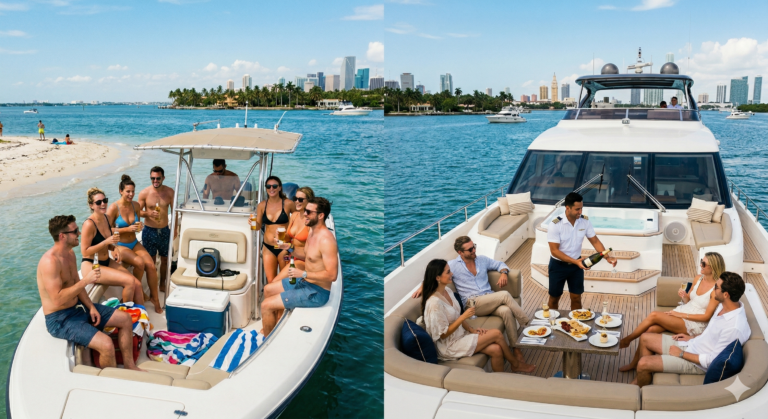
A crewed charter includes a captain and sometimes additional crew. Everything is handled for you. You choose where you want to go, and the captain makes it happen safely.
A bareboat charter is essentially a self-operated rental. You’re responsible for the vessel, navigation, and safety. This is where licensing or proof of experience comes in.
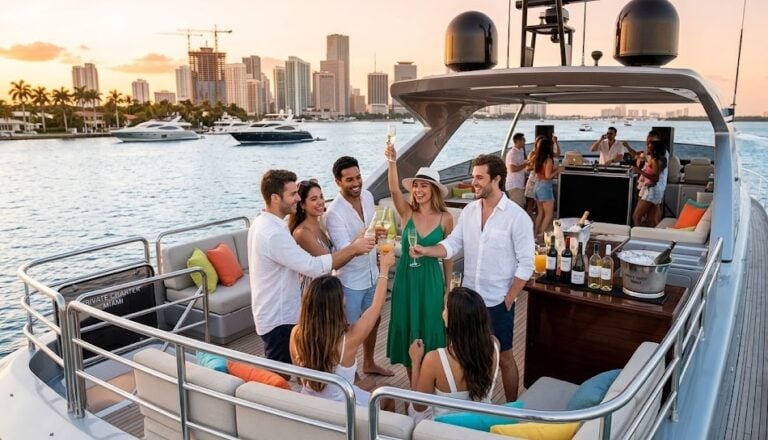
In Miami, the demand is overwhelmingly for crewed experiences. Whether someone is booking a casual day on the water or a full event like a Miami yacht party, they want to focus on the experience, not the operation.
What You’re Actually Responsible For as a Guest
Even though you don’t need a license, that doesn’t mean there are no responsibilities.
As a guest, your role is simple: follow the captain’s guidance, respect safety rules, and stay within the agreed itinerary. The captain has final authority on the water, especially when it comes to safety decisions.
From my experience, the smoothest charters are always the ones where guests understand this dynamic early. It’s not restrictive—it actually allows the experience to run better.
If you want to understand how these rules are structured, it’s worth reviewing the yacht safety protocols before your trip.
How Yacht Size and Type Affect Licensing
The size and type of yacht don’t change the licensing requirement for guests, but they do affect how the charter is operated.
Smaller boats may only require a captain, while larger yachts—especially luxury or event-focused vessels—will include multiple crew members. As you move into bigger experiences like Miami mega yacht rentals, the operation becomes more structured, but still fully managed.
You’re never expected to operate these vessels yourself. In fact, with larger yachts, it wouldn’t even be practical.
Use Cases Where Licensing Confusion Happens
One of the most common questions we get is from people planning group events or trips who think someone in their group needs to be “the driver.”
That’s not how it works. Whether you’re booking for a birthday, a corporate outing, or a casual day trip, the yacht comes with a licensed operator.
Another situation is people comparing yacht charters to smaller boat rentals or jet ski rentals. Those are different categories entirely, and that’s where licensing requirements can vary.
With yachts, especially in Miami, the expectation is that the experience is fully handled for you.
Cost and Value of a Crewed Charter
Some people initially think having a captain included will make the experience more expensive. In reality, it often adds value rather than cost.
When you factor in navigation expertise, safety, route optimization, and overall experience quality, having a captain is essential. It also allows you to focus on enjoying the charter instead of worrying about logistics.
For those looking to balance budget and experience, options like affordable yacht rentals in Miami still include crewed setups, so you’re not sacrificing safety or simplicity.
Local Routes and Why Experience Matters
Miami’s charter routes are short-distance but high-traffic. Most trips involve cruising through Biscayne Bay, anchoring near sandbars, or heading toward island areas.
In this area, conditions usually shift throughout the day. Wind, tides, and traffic all play a role in how the route is managed.
From my experience running charters, having a licensed captain who knows these patterns is what makes the difference between a smooth experience and a stressful one. That’s another reason licensing stays on the operator’s side, not the guest’s.
Why You Shouldn’t Want to Be the One Driving
Even if you had the option, most people wouldn’t actually want to operate a yacht in Miami.
You’d be responsible for navigation, watching traffic, managing anchoring, and handling unexpected situations. That takes you out of the experience completely.
A common mistake we see is people thinking they want more control, when what they really want is more customization. And that’s already built into the charter—you can choose your route, your stops, your vibe, without needing to handle the technical side.
Final Perspective From an Operator
From my perspective running charters in Miami, the system is designed exactly the way it should be.
You don’t need a license because you’re not renting responsibility—you’re booking an experience. The crew handles the operation, and you focus on enjoying the time on the water.
That’s what makes yacht charters in Miami so accessible. Whether it’s your first time or your tenth, you step onboard, and everything is already taken care of.
If you’re exploring options or want to understand how different experiences are structured, you can always start with Feeling Yachty to see what fits best for your group.
Once you understand how it works, the question isn’t whether you need a license. It’s simply which yacht and experience you want.